What molecular hydrogen actually is
Hydrogen water is regular water infused with dissolved molecular hydrogen gas (H2), typically measured in parts per million (PPM). The core proposed mechanism is that H2 acts as a selective antioxidant, neutralizing specifically harmful reactive oxygen species without disrupting the body's normal, useful oxidative signaling processes the way some broader antioxidants can.
This selectivity is the scientifically interesting part of the hydrogen water story, and it's been studied since a notable 2007 paper in Nature Medicine first proposed the mechanism. Since then, a growing but still modest body of small human trials has examined outcomes ranging from exercise recovery markers to metabolic syndrome indicators.
What the human evidence actually supports
The honest summary: promising, early, and considerably thinner than the marketing for hydrogen water products implies. Small trials have found signals for reduced oxidative stress markers after exercise, modest improvements in some metabolic syndrome markers, and self-reported reductions in fatigue in specific populations.
What's missing is the kind of large, replicated trial base that exists behind something like vitamin D deficiency correction or omega-3s for triglycerides. Most hydrogen water studies involve small sample sizes, short durations, and outcomes that haven't been consistently replicated across independent research groups. That doesn't make the mechanism false. It means the evidence hasn't caught up to the consumer marketing yet.
The concentration question nobody puts on the front label
Not all hydrogen water is equal, and the front label rarely tells you what actually matters: the dissolved hydrogen concentration, stated in PPM. Most of the research showing measurable effects used concentrations in a specific, meaningful range, and a product that doesn't state its actual PPM output makes it impossible to know whether it's delivering anything close to what a study tested.
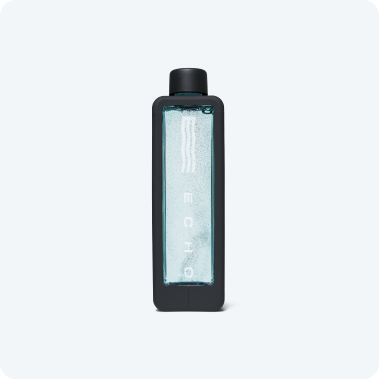
Echo Water, a hydrogen water technology company, states an 8PPM hydrogen concentration on its bestselling ECHO Flask portable bottle, one of the more specific figures we found printed directly on a product page in this category rather than left as a vague marketing claim.
Hardware, and why the price range is so wide
Unlike a supplement capsule, hydrogen water requires hardware, either a portable electrolysis bottle or a larger countertop or under-sink machine, to actually generate the dissolved hydrogen at the point of use, since hydrogen gas dissipates from water relatively quickly after infusion.
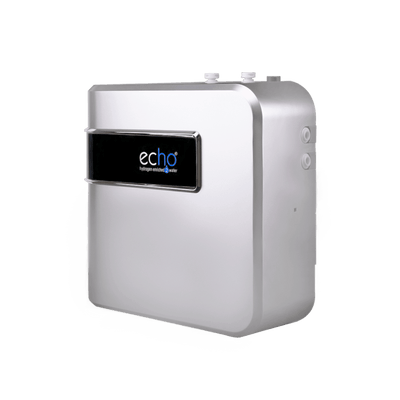
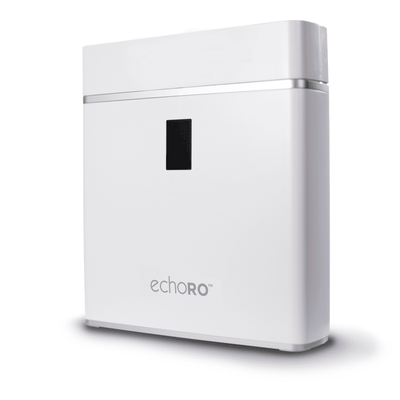
That hardware requirement is exactly why pricing in this category runs so much higher than a typical supplement, and why the range is so wide within the category itself. Echo Water's own lineup spans a $299.99 portable bottle up to home machines priced near $6,000, without the underlying antioxidant mechanism changing between the tiers, just delivery format, capacity, and convenience.
| Format | Typical price | Best for |
|---|---|---|
| Portable bottle | $300 to $400 | Daily personal use, travel |
| Countertop machine | $2,000 to $3,000 | Higher daily volume, shared household use |
| Whole-home / bath systems | $4,000 to $6,000+ | Larger households, bath or inhalation use cases |
What to actually check before buying hydrogen water hardware
A stated PPM figure is the single most useful thing to look for, since it's the number that connects most directly to the research. Beyond that, consider how quickly hydrogen dissipates from water once generated; a bottle you drink within minutes of infusing retains more dissolved gas than water left sitting for hours.
It's also worth being realistic about the evidence-to-cost ratio here compared to better-established interventions elsewhere on this site. Correcting a real vitamin D deficiency, for context, costs a few dollars a month and has a considerably deeper evidence base behind it than hydrogen water currently does. That doesn't mean hydrogen water has no place in a wellness routine, but it's a different category of evidence, and the price tag doesn't track the strength of the research. The site's full evidence-graded guide library makes that comparison easy to run for any compound or product.

Where Echo Water fits in this landscape
Echo Water is one of the more established hydrogen water hardware brands, with a product range spanning portable bottles, countertop machines, and whole-home systems, and it's one of the few brands in this category to print a specific hydrogen concentration figure directly on its product pages rather than leaving it as an unquantified claim.
Our full Echo Water review walks through its entire product lineup, current pricing, and what we could and couldn't independently verify about its specific claims, if you're weighing this brand specifically against the broader hydrogen water category discussed here.