Same drug class, different mechanism
Semaglutide and tirzepatide both belong to the broader incretin-mimetic drug class, but they work through a meaningfully different mechanism, not just a different brand name on the same molecule.
Semaglutide is a GLP-1 (glucagon-like peptide-1) receptor agonist. It mimics a hormone the gut releases after eating, slowing gastric emptying, increasing feelings of fullness, and improving insulin response. Tirzepatide does all of that too, but adds a second mechanism: it's also a GIP (glucose-dependent insulinotropic polypeptide) receptor agonist, engaging a second hormone pathway involved in metabolism. This dual-agonist action is the core reason the two drugs produce different average outcomes in trials.
What the actual trial numbers show
Semaglutide's pivotal weight-loss trial program (STEP) found an average of roughly 15% body weight loss over 68 weeks at the studied dose. Tirzepatide's trial program (SURMOUNT) found an average of roughly 20% over 72 weeks, a meaningfully larger effect at the population level, generally attributed to the added GIP mechanism.
Those are population averages from controlled trials, not a guarantee for any individual. Response varies considerably person to person, and factors like starting weight, adherence, dose titration, and diet during treatment all affect where an individual actually lands relative to the trial average.
Side effects: mostly overlapping, some differences
Both drugs share a broadly similar gastrointestinal side effect profile: nausea, vomiting, diarrhea and constipation are the most commonly reported issues, typically most pronounced during dose escalation and often easing somewhat over time. Both carry the same class-wide warnings, including a boxed warning around thyroid C-cell tumors seen in rodent studies, and both are contraindicated in people with a personal or family history of certain thyroid cancers.
Head-to-head trial data directly comparing the two drugs' side-effect profiles is more limited than the separate placebo-controlled trials each drug ran individually, so direct comparisons here should be read with that caveat in mind.
Branded vs compounded: a distinction worth understanding
Branded semaglutide is sold as Ozempic (diabetes) and Wegovy (weight management). Branded tirzepatide is sold as Mounjaro (diabetes) and Zepbound (weight management). Both are FDA-approved, manufactured by the original pharmaceutical companies at scale.
Compounded versions of both drugs are also widely available through telehealth platforms, generally produced by compounding pharmacies rather than the original manufacturer. This is a legitimate, regulated pathway, most commonly used during periods of branded-drug shortage or for cost reasons, but it operates under different oversight than the large-scale branded manufacturing process, and it's worth understanding that distinction before assuming full interchangeability between a compounded and branded product.
What telehealth pricing actually looks like
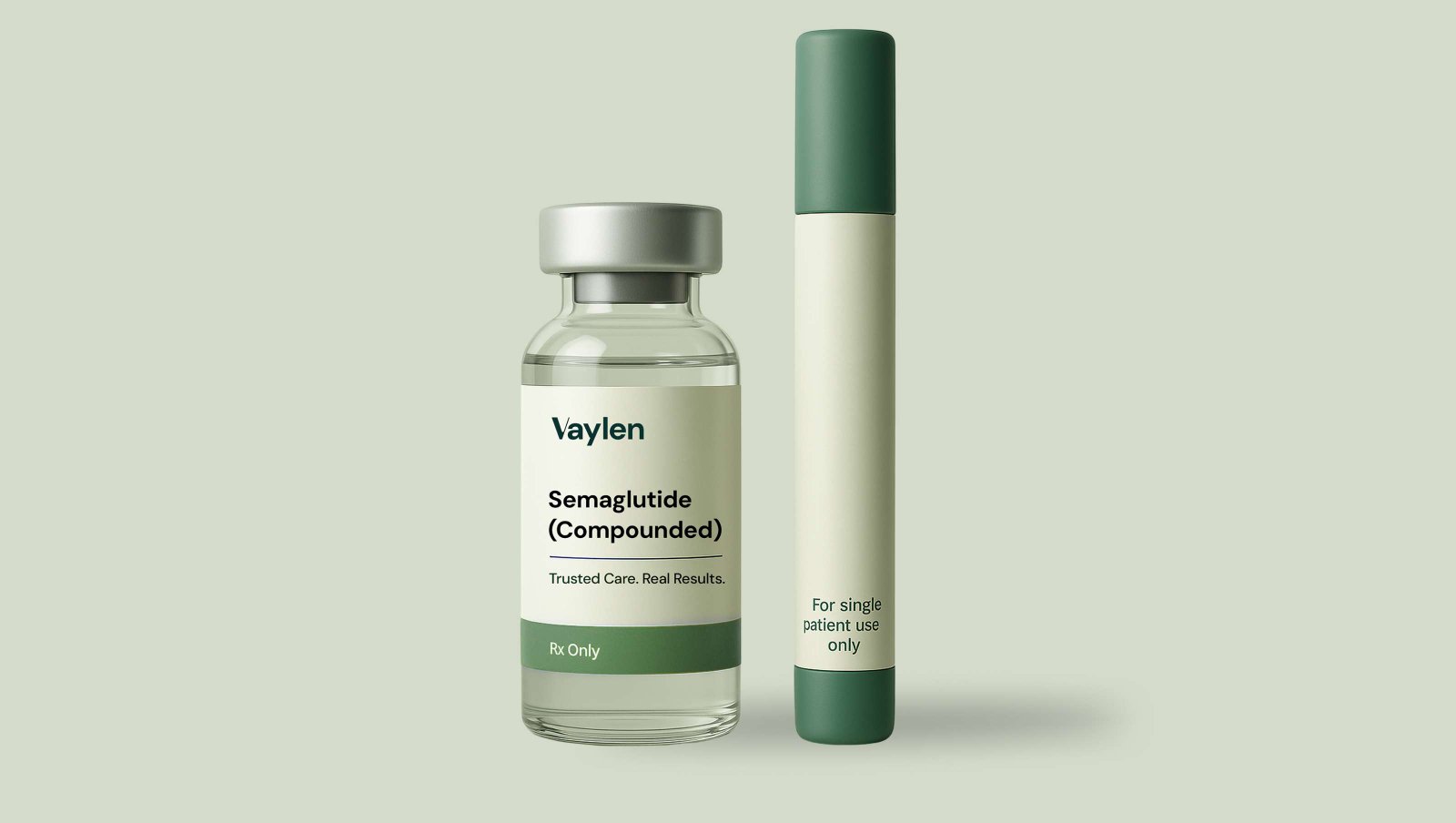
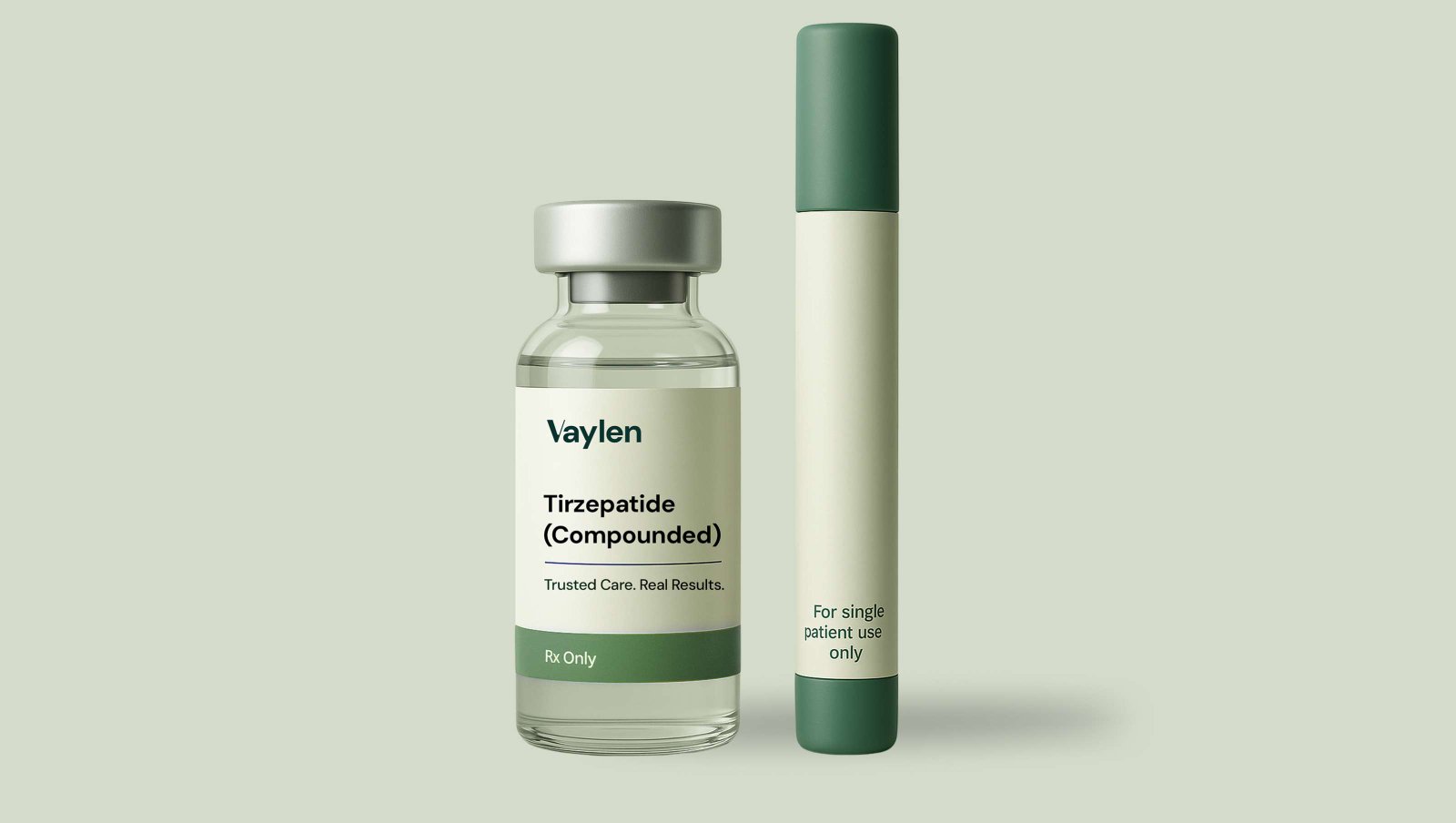
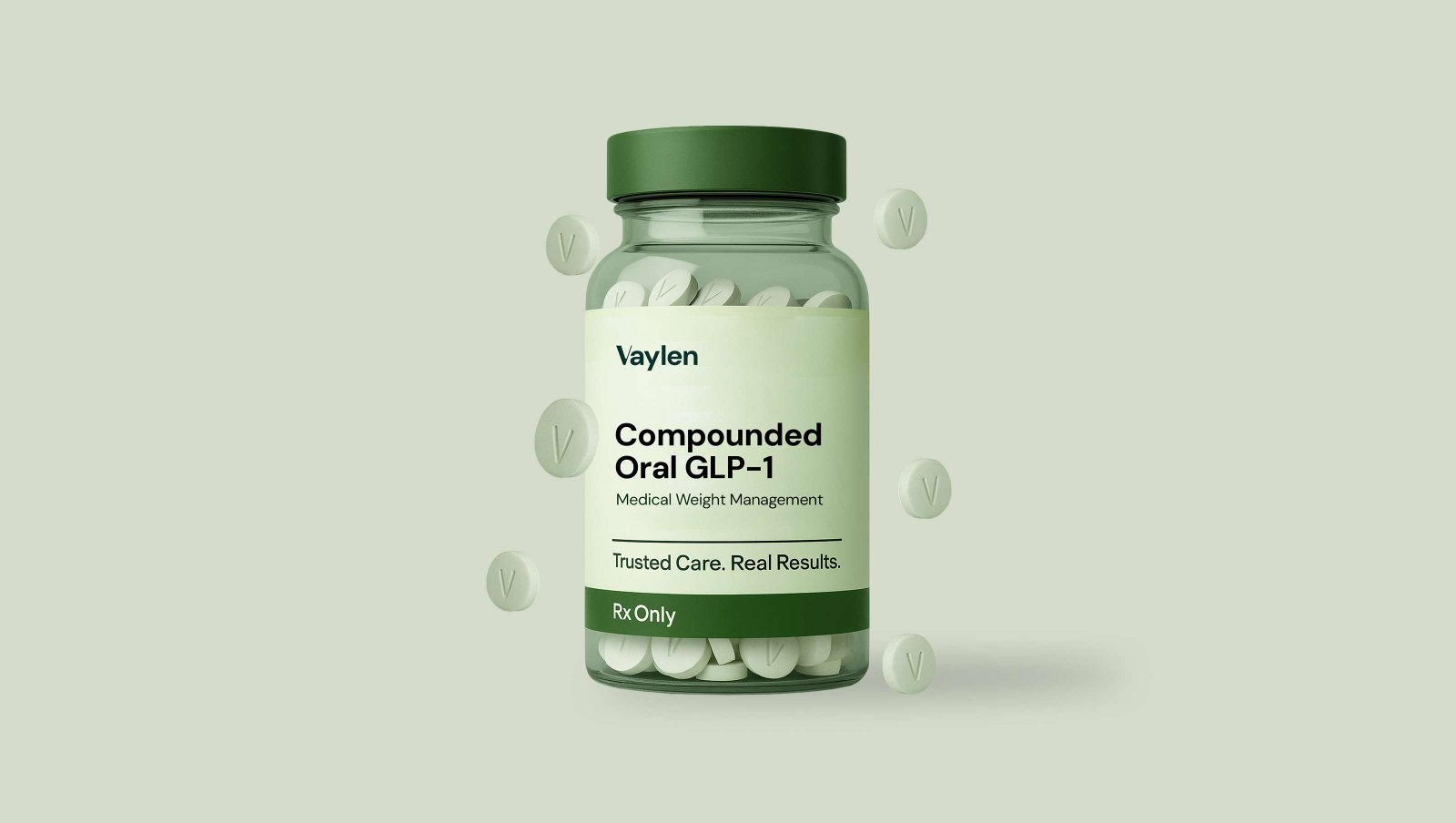
Vaylen, a direct-to-consumer telehealth platform, offers both compounded semaglutide and tirzepatide, along with a needle-free oral semaglutide tablet option, following an online clinician review. At the time of this review, pricing started at $83.25 per month on a 12-month commitment plan for any of the three options, with semaglutide alone also available at $224 per month on a shorter-term basis.
That pricing structure, where cost drops considerably on a longer commitment, is common across telehealth GLP-1 platforms and is worth factoring into a decision alongside the medical evaluation itself. Our full Vaylen review covers its complete pricing structure, refund policy, and what we could verify independently.
| Factor | Semaglutide | Tirzepatide |
|---|---|---|
| Mechanism | GLP-1 receptor agonist | GLP-1 + GIP receptor agonist (dual) |
| Trial average weight loss | ~15% over 68 weeks (STEP) | ~20% over 72 weeks (SURMOUNT) |
| Branded names | Ozempic / Wegovy | Mounjaro / Zepbound |
| Common side effects | Nausea, GI symptoms | Nausea, GI symptoms (similar profile) |
This is prescription medicine, not a supplement
Everything discussed here requires a prescription following a clinician's evaluation of a patient's own health information. Neither drug is an over-the-counter supplement, and nothing in this comparison substitutes for that individual medical evaluation. A telehealth intake form is a real medical process, but it's a different depth of assessment than an in-person physical exam with a doctor who has a patient's full history. Both Vaylen and ReadyRx, the two telehealth platforms reviewed on this site, run patients through that same clinician-review step before dispensing either drug.
If you're weighing a telehealth option specifically, understanding the difference between a compounded product and the original branded manufacturer's version, discussed above, is worth doing before starting treatment through any platform. The site's full brand reviews cover pricing, process and what we could verify for both platforms in detail.