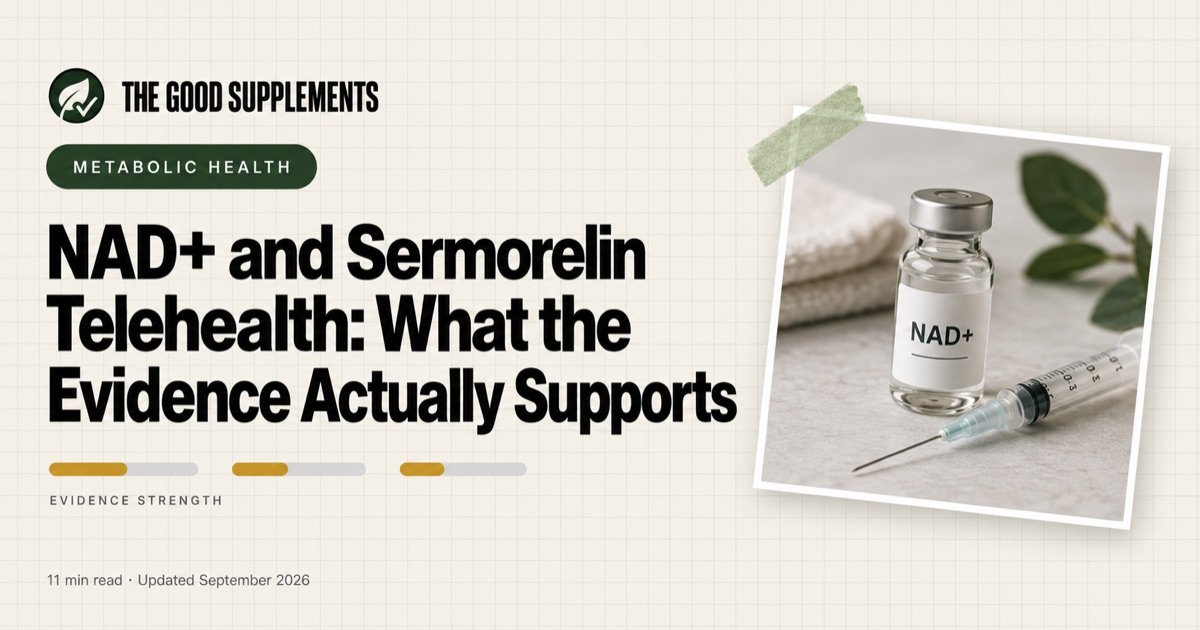
NAD+: a real coenzyme, a thinner human trial base than the marketing implies
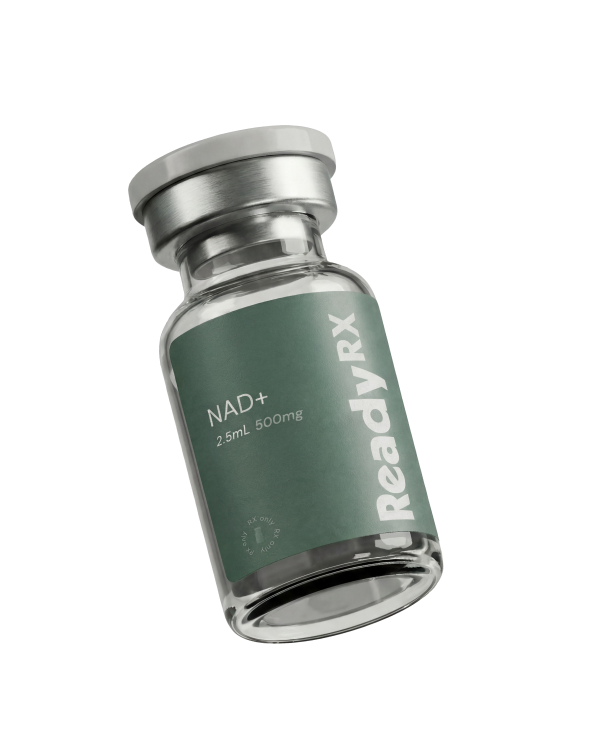
Nicotinamide adenine dinucleotide (NAD+) is a coenzyme found in every cell, central to energy metabolism and DNA repair processes. NAD+ levels decline with age, a genuine, well-documented biological fact, which is the anchor point for most of the marketing around NAD+ supplementation and IV therapy.
Where the evidence gets thinner is the leap from "NAD+ declines with age" to "restoring it via IV or injection produces a specific, measurable health benefit." Human trials on NAD+ precursors (like NMN and NR) and direct NAD+ administration exist, but they're generally small, short-duration, and show mixed or modest results on the outcomes marketed most heavily, energy, cognition, and general "anti-aging" effects.
Sermorelin: an older, more established prescription therapy
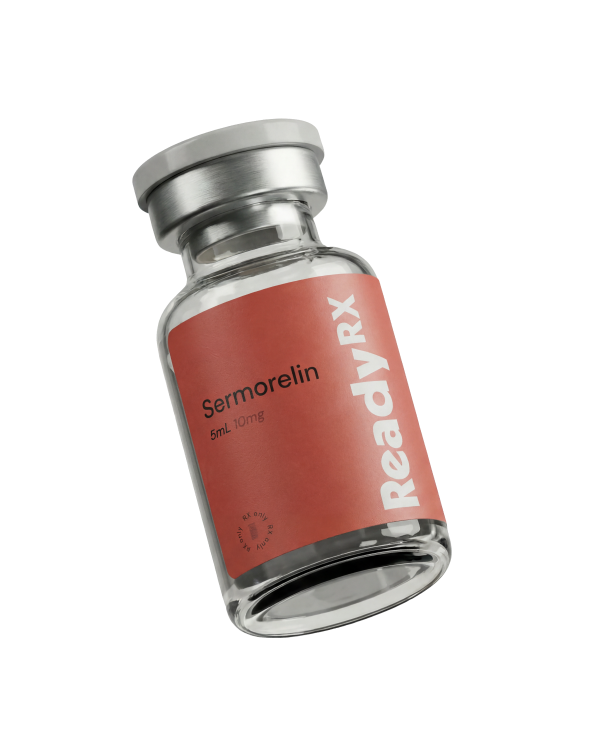
Sermorelin is a synthetic analog of growth hormone-releasing hormone (GHRH), meaning it stimulates the pituitary gland to release the body's own growth hormone, rather than supplying growth hormone directly the way a synthetic HGH injection would. It has a longer clinical history than NAD+ therapy, historically prescribed off-label for adults with diagnosed growth hormone deficiency.
The evidence base specifically for sermorelin's effects in adults without a diagnosed deficiency, the population most telehealth marketing actually targets, is considerably thinner than its history in the deficiency-treatment context. The mechanism is well understood; whether it produces the broader anti-aging and body-composition benefits implied in consumer marketing is a separate, less settled question.

Both are prescription medications, not supplements
This is worth stating plainly: neither NAD+ injections/IV therapy nor sermorelin are over-the-counter supplements. Both require a prescription following a clinician's evaluation, and both are typically dispensed as compounded medications through specialized pharmacies rather than as a mass-manufactured branded product.
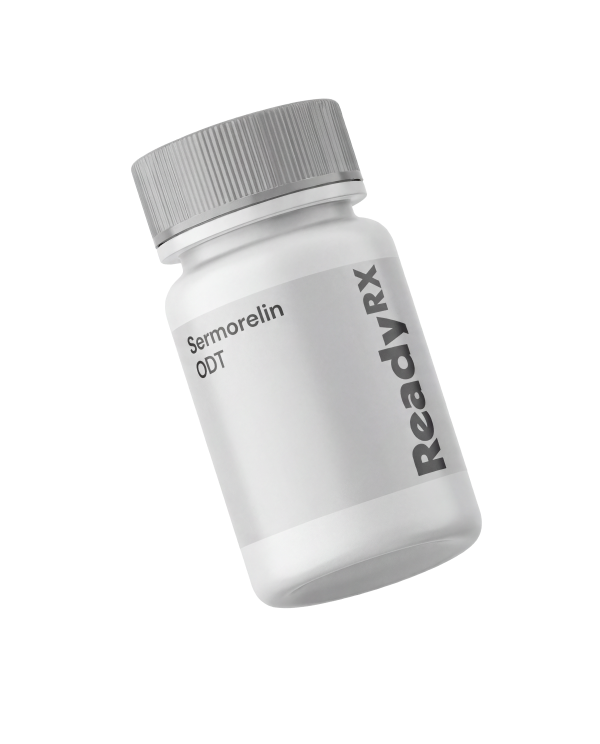
ReadyRx, a telehealth longevity platform, offers both as part of a broader catalog spanning metabolic, hormone, and energy/recovery categories, following an online provider assessment. Its NAD+ line includes both an injectable and a nasal spray format, and its sermorelin line includes both an injectable and an orally disintegrating tablet (ODT) option. Vaylen runs a similar clinician-review process for its own GLP-1 lineup, covered in our semaglutide vs tirzepatide comparison, if you're weighing telehealth options across categories.
| Compound | Mechanism | Evidence base |
|---|---|---|
| NAD+ | Cellular coenzyme, energy metabolism | Small, mixed human trials on precursors and direct administration |
| Sermorelin | GHRH analog, stimulates natural GH release | Established for diagnosed deficiency; thinner outside that population |
Delivery format options
Both compounds are offered in more than one delivery format through telehealth platforms, largely for convenience rather than a difference in the underlying mechanism. NAD+ nasal sprays exist as a needle-free alternative to injection, and sermorelin's ODT (orally disintegrating tablet) format similarly avoids the need for self-injection.
Whether a nasal or oral format delivers comparable bioavailability to an injectable is a fair question and one that varies by compound; for peptides specifically, oral and nasal absorption is generally a more debated question in the research literature than injectable delivery, the same distinction that comes up whenever a peptide gets sold in more than one delivery format.
Where the marketing gets ahead of the science
Both NAD+ and sermorelin get folded into a broader "longevity" marketing category that includes genuinely well-studied interventions (like resistance training and adequate sleep) alongside far less-established ones. It's worth separating the underlying biological plausibility of a mechanism, real for both compounds discussed here, from the specific, often bold outcome claims made in consumer-facing marketing copy.
Metformin, another product ReadyRx offers, is a useful parallel example: it's a well-established diabetes medication, but its potential cognitive and longevity benefits in people without diabetes remain an actively studied, unresolved question in the broader research literature, not a settled benefit despite how it's sometimes marketed.

What to know before starting either through telehealth
Both require a real medical evaluation, not just a symptom questionnaire, before a compounding pharmacy dispenses anything. Compounded medications carry their own regulatory pathway, distinct from a large-scale branded manufacturer, with oversight resting with the compounding pharmacy rather than a centralized manufacturing process, worth understanding before assuming full interchangeability with any hypothetical branded equivalent.
Our full ReadyRx review covers its complete product catalog across metabolic, hormone, and energy/recovery categories, along with what we could and couldn't independently verify about its specific quality-control claims.