The claims every vendor makes
Read five research-peptide sites and you'll see the same four assertions: made in the USA, GMP facilities, 99% purity by HPLC, and third-party tested. They appear so consistently that they stop carrying information. Both brands we reviewed in depth make all four.
The useful question isn't whether a vendor says these things. It's which of them you can confirm without taking their word for it. That is what this checklist is for.
1. Can you open a COA before you pay?
A Certificate of Analysis is the single most useful document in this category. It should show the compound, the batch, the purity result, and the lab that ran it. The test is simple: can you read one before handing over money?
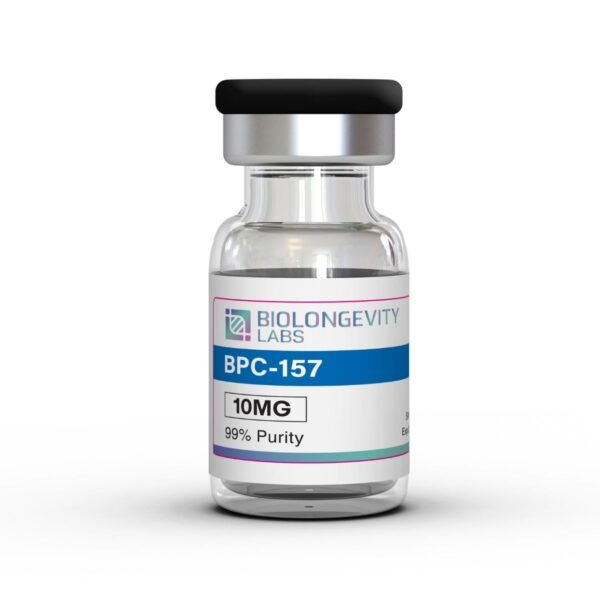
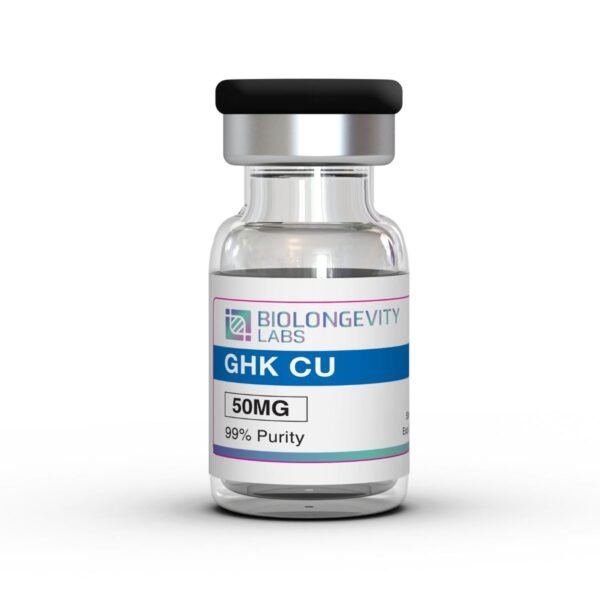
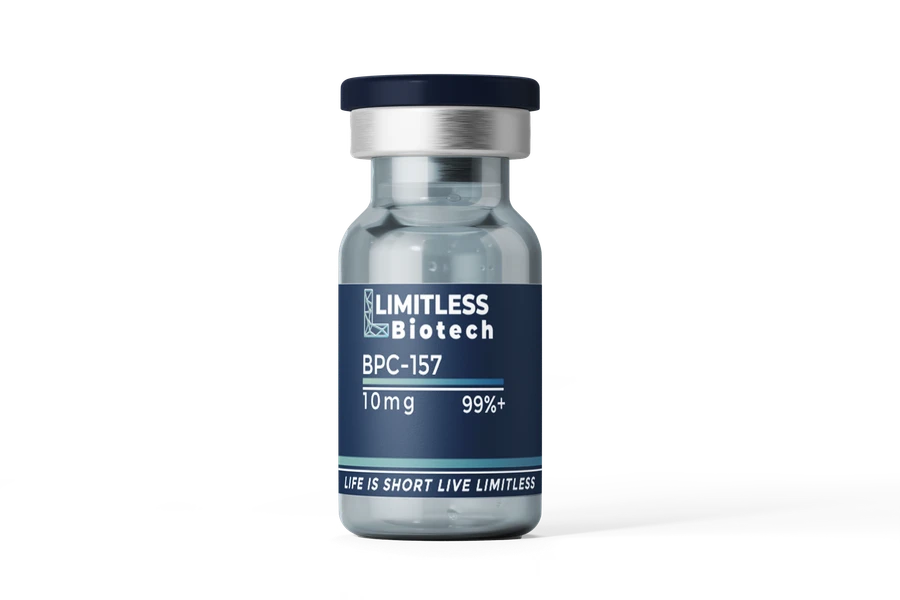
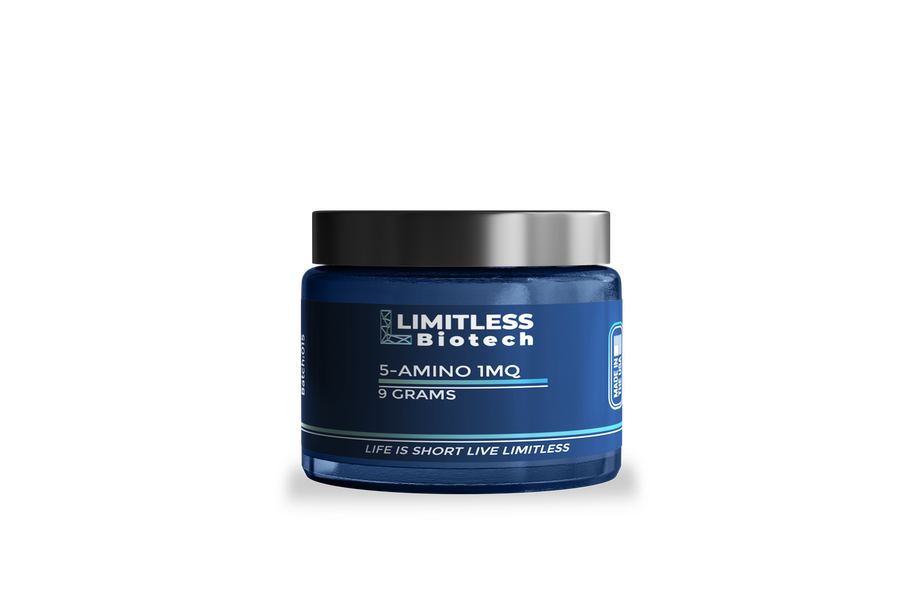
Plenty of sites say COAs are available on request, which in practice means after you've paid. BioLongevity Labs publishes a searchable database covering the full catalog, openly, with no account. Limitless Biotech puts individual COA documents directly on each product page. Both pass this check, which is less common than it should be.
2. Is the COA for the catalog or for your batch?
This is the distinction that separates good documentation from very good documentation. A catalog-wide COA tells you what a representative sample looked like. A batch-level COA, listed by lot number, tells you about the specific production run your vial came from.
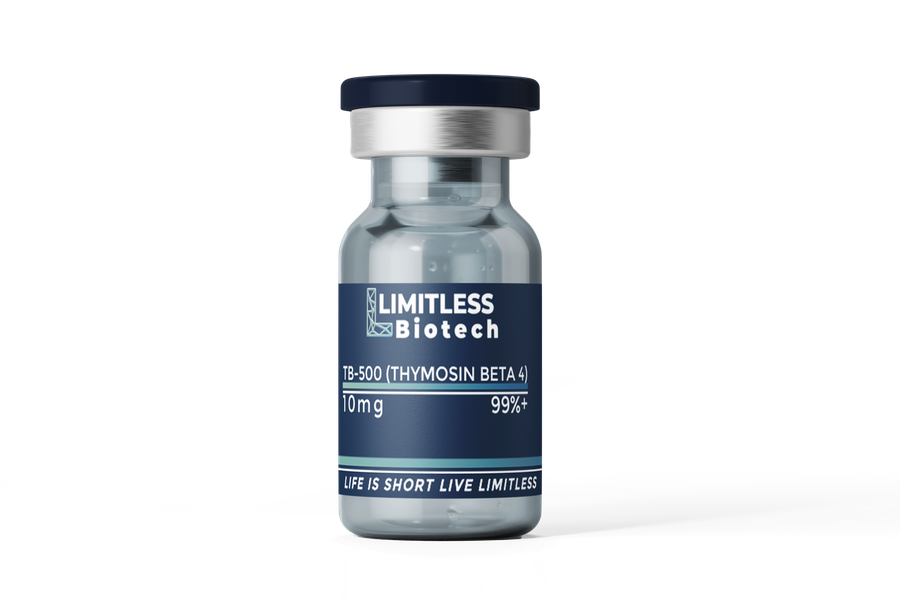
Limitless Biotech is the stronger of the two here. Its product pages list multiple dated lots, each with separate purity, sterility, and endotoxin documents. If you want to match paperwork to the label on the vial in your hand, that is the setup that lets you do it.
3. Are the testing labs named?
Here is where both brands, and most of the category, fall short. Both say every batch goes through three independent certified laboratories. Neither names them.
That matters because the claim can't be checked. Limitless Biotech goes further and states that one of its three labs is FDA and DEA compliant, which is a more specific assertion than most competitors make, and just as unverifiable without the lab's name. We grade claims like these as vendor statements rather than confirmed facts, and we say so on each brand page.
4. Can you see a price without an account?
Pricing transparency is not a quality-control issue, but it is a real friction cost and it tells you something about how the business prefers to operate. BioLongevity Labs prints every price on the product page, including bulk tiers at 3, 6, and 9 units. Limitless Biotech replaces the price with a prompt to log in for professional pricing.
Neither approach is dishonest. But one lets you comparison shop in thirty seconds and the other doesn't.
5. What happens when an order goes wrong?
Read the returns policy before you need it. In this category returns are usually restricted, and the reasons are regulatory rather than commercial, so the restrictions are not a red flag by themselves. What matters is whether the terms are stated clearly, and both brands' are.
BioLongevity Labs doesn't accept returns on opened product at all, and unopened returns carry a 15% restocking fee plus return shipping, inside a 10-day window. Limitless Biotech runs a 10-day window through a separate returns portal, reviewed in 24 to 48 business hours, with no restocking fee stated on the policy page.
6. How seriously does the vendor treat research-use-only?
Every vendor in this space sells under research-use-only terms, because nothing they sell has an approved consumer form. The question is whether that framing is boilerplate or enforced.
BioLongevity Labs sits at the stricter end. Its policy has buyers consent to IP verification of their research claim, and asks for a study or research result once a year to keep an account in good standing.
You can read that as friction. You can also read it as a vendor trying to stay inside its own stated positioning. We lean toward the second reading. Either way, you'll want to know about it before checkout rather than after.
7. Is there a named human attached to the science?
Not a stock photo of a lab coat. A name you can actually look up. BioLongevity Labs credits a board-certified physician as scientific reviewer of its content, with a stated medical school, residency, and current practice. That is checkable, and it is more than most sites offer.
It doesn't certify the products. Editorial review and analytical testing are different things, and marketing conflates them constantly. Keep the two separate in your head.
What the checklist cannot tell you
Every check above is about documentation and process. None of it turns an unapproved research chemical into a safe consumer product. None of it substitutes for evidence that a compound does what people claim.
That's a separate question. For most of these compounds the honest answer is that human evidence is thin or absent. Our guides grade that evidence directly, and the grade is usually lower than the marketing implies.