Three questions wearing one coat
When people ask whether peptides are safe, they are usually asking one of three different things without separating them.
Is the molecule harmful? For several of the popular ones, nobody has run the trials that would answer that properly in humans.
Is the dose safe? Protocols circulating online are largely extrapolated from animal studies or from clinical use of related compounds, not established by dose-finding trials.
Is what I received actually that molecule, at that purity, sterile? This is the one with the most concrete answer, and the one most articles skip.
The third question is where the real, measurable risk sits for most people buying online, so it gets the most space below.
What the human evidence actually covers
Being specific matters more than being reassuring here, so here's compound by compound.
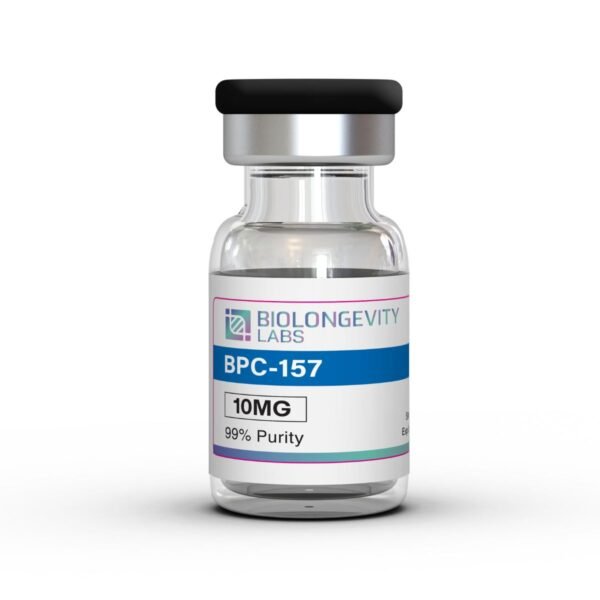
BPC-157 is the most searched research peptide online and has the widest gap between discussion and evidence. The animal literature on tissue repair is substantial. Published human trials are very limited, and the oral safety work does not transfer to injection.
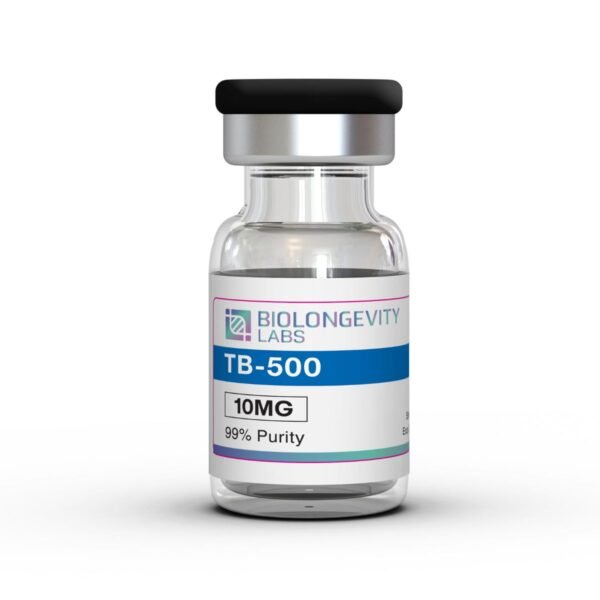
TB-500 and thymosin beta-4 sit in a similar position: mechanistic and animal work, little controlled human data at the doses people use.
Sermorelin, CJC-1295 and ipamorelin have more clinical context, because growth-hormone-releasing agents have been studied and in some cases prescribed. That context is about supervised clinical use at clinical doses, which is not what a research vial is.
GHK-Cu has genuine published work in topical and cosmetic use. That is a different route and a different risk profile from injection, and the two are often conflated.
For anything further down the catalogue, Epithalon, MOTS-c, VIP, Livagen, the honest statement is that human evidence runs from sparse to absent, and long-term safety data simply does not exist yet.
The risk that is actually measurable
Here's what separates a defensible purchase from a reckless one, and it's got nothing to do with pharmacology.
These are not pharmacy products. There is no regulator checking that the vial contains what the label says, at the purity claimed, free of endotoxin. The seller's own documentation is the only check that exists, which is why we grade vendors on exactly that.
- Purity tells you how much of the vial is the stated compound. Reputable sellers publish 98% or higher and show the chromatogram.
- Sterility and endotoxin matter enormously for anything injected, and are the tests most often missing from a certificate.
- Batch-level documents beat catalogue-wide ones, because they describe the lot your vial came from rather than a lot from last year.
- A named laboratory you can check independently beats an unnamed one. A certificate hosted only by the seller is the weakest form of evidence.
How to check a vendor properly
Our vendor vetting guide is the long version. Short version: the three vendors we review differ sharply on exactly this.
| Vendor | Certificates | Labs named | Buy |
|---|---|---|---|
| BioLongevity Labs | Published, with cross-tested batches | SafeCert, BioRegen, AV Analytics, two verifiable at source | Shop |
| Limitless Biotech | Per lot number, purity, sterility and endotoxin as separate files | No | |
| Amino Club | Per product, 8-assay panel including a fentanyl screen | No | Shop |
Documentation compared across the vendors we review
Side effects people actually report
Reported rather than established, and that distinction is the point. Injection-site reactions, redness and swelling, top the list across every compound. Lethargy and headache come up with the growth-hormone-releasing agents. Flushing and a drop in blood pressure appear in reports on vasodilatory compounds.
What you will not find is a reliable incidence rate, because nobody is collecting one. Self-reported effects from an unregulated market are not the same evidence as adverse-event data from a trial, and treating them as equivalent would be dishonest in either direction.
How long before anything happens
This comes up almost as often as the safety question, so it is worth answering here. The honest response is that it depends on the compound and the claimed effect, and that the timelines circulating online are drawn from protocols rather than trials.
Tissue-repair claims are typically described in weeks. Sleep and recovery effects are reported sooner, which is also where placebo is hardest to rule out. Longevity claims cannot be assessed on any personal timescale at all, which is worth sitting with before spending money on them.
Where we land
We can't tell you peptides are safe, because for most of them nobody has run the studies that would justify the sentence. We won't tell you they're dangerous either, since that overstates what's known in the other direction.
What we can say precisely: the evidence base is thin, long-term data is absent, and every product we review is labelled for research use. The risk you can actually control is which seller you use and whether you read their certificates.
Nothing on this page is medical advice. If you're considering any of this, a clinician who knows your history beats a website.