Why there's no real answer to "what dose should I use"
Worth saying plainly before anything else: BPC-157 has no established human dose. It hasn't gone through the human clinical trials that would establish one.
Any dosage figure you see, on a vendor page, a forum, or a fitness influencer's post, is either extrapolated from animal research or an informal consensus that has circulated online long enough to look authoritative. That's a very different thing from an FDA-reviewed dosing guideline for an approved medication.
This guide summarizes what the animal literature actually used, and how the online community translated that into the numbers repeated across vendor sites. It's an explanation of where those numbers come from, not a dosing recommendation. BPC-157 is sold for research use only, and this page doesn't change that.
What the animal studies actually used
The preclinical literature on BPC-157, almost entirely rodent studies, commonly used doses in the range of roughly 1 to 10 micrograms per kilogram of body weight, administered by injection in most study designs. PubMed's indexed BPC-157 research shows the range and variety of study designs, for anyone who wants the primary literature directly.
Translating an animal dose to a human dose isn't a simple weight-based conversion. Interspecies dose scaling accounts for differences in metabolism, surface area and drug clearance rates between species.
BPC-157 has never been through the formal human pharmacokinetic studies that would establish a scientifically validated human-equivalent dose. Any number presented as a direct human translation is an approximation at best.
What the online consensus dose looks like, and where it came from
The dosing figures that circulate across vendor sites and forums commonly land in the range of 200 to 500 micrograms per day, sometimes split into two doses. This figure appears to have emerged from rough animal-dose extrapolation plus years of informal community reporting, not from any single clinical source. Worth knowing before treating it as an established fact.
Vials are sold in milligrams, commonly 5mg or 10mg. That's a practical unit for laboratory reconstitution with bacteriostatic water, rather than a single measured human dose.
A 5mg vial reconstituted to a working concentration needs to be measured out in micrograms per use to reach the range discussed above. That precise measurement is part of why documentation matters so much in this category, covered in how to vet a peptide vendor.
| Source | Dose figure | What it actually represents |
|---|---|---|
| Animal studies | ~1 to 10 mcg/kg body weight | Actual dose used in published rodent research |
| Online community consensus | ~200 to 500 mcg/day | Informal extrapolation, not clinically established |
| Vial size as sold | 5mg or 10mg per vial | A practical reconstitution unit, not a single dose |
Injection frequency and the half-life question
Beyond the total daily amount, online discussion also debates how often to split dosing across a day, once versus twice versus more, based on assumptions about BPC-157's half-life in the body. The honest answer: there is no well-established human pharmacokinetic study establishing that half-life, so any specific frequency recommendation is, again, extrapolated rather than measured.
Animal pharmacokinetic data suggests a relatively short half-life for the intact peptide, which is part of the reasoning behind splitting the informal daily total into two doses rather than one. That reasoning is plausible, but it rests on animal data applied to a human dosing schedule, the same category of approximation as the dose amount itself.
What a real answer would require
Establishing an actual human dose would require Phase 1 pharmacokinetic trials: measuring how the compound is absorbed, distributed, metabolized and cleared in human subjects at multiple dose levels, under controlled, monitored conditions.
That process costs millions of dollars and years of work, and it's typically only undertaken when a company intends to pursue drug approval, which nobody selling BPC-157 as a research chemical is doing. Until or unless that changes, the honest answer to "what's the right dose" stays the same: nobody actually knows, for humans.
Why this matters beyond BPC-157 specifically
The dosing situation described here isn't unique to BPC-157. Most research peptides discussed in online communities share the same pattern: a real animal literature, a thin or nonexistent human trial base, and a dose figure that emerged from community consensus rather than clinical measurement.
Understanding how that number came to exist for one compound makes it easier to evaluate dosing claims for any other peptide you come across, rather than treating each new compound's "recommended dose" as independently verified.
Oral vs injectable: another gap in the data
The limited human trial data that exists for BPC-157 looked at oral formulations for gastrointestinal conditions, not injection. Peptides are generally broken down by digestive enzymes, which is why injectable delivery dominates the research-chemical market despite the human data pointing the other direction.
Oral BPC-157 products, sometimes capsules, do exist on the market. Whether meaningful amounts survive digestion intact is a separate open question from the dosing question this guide addresses, and it's a distinction worth being aware of if you see oral and injectable forms discussed interchangeably.
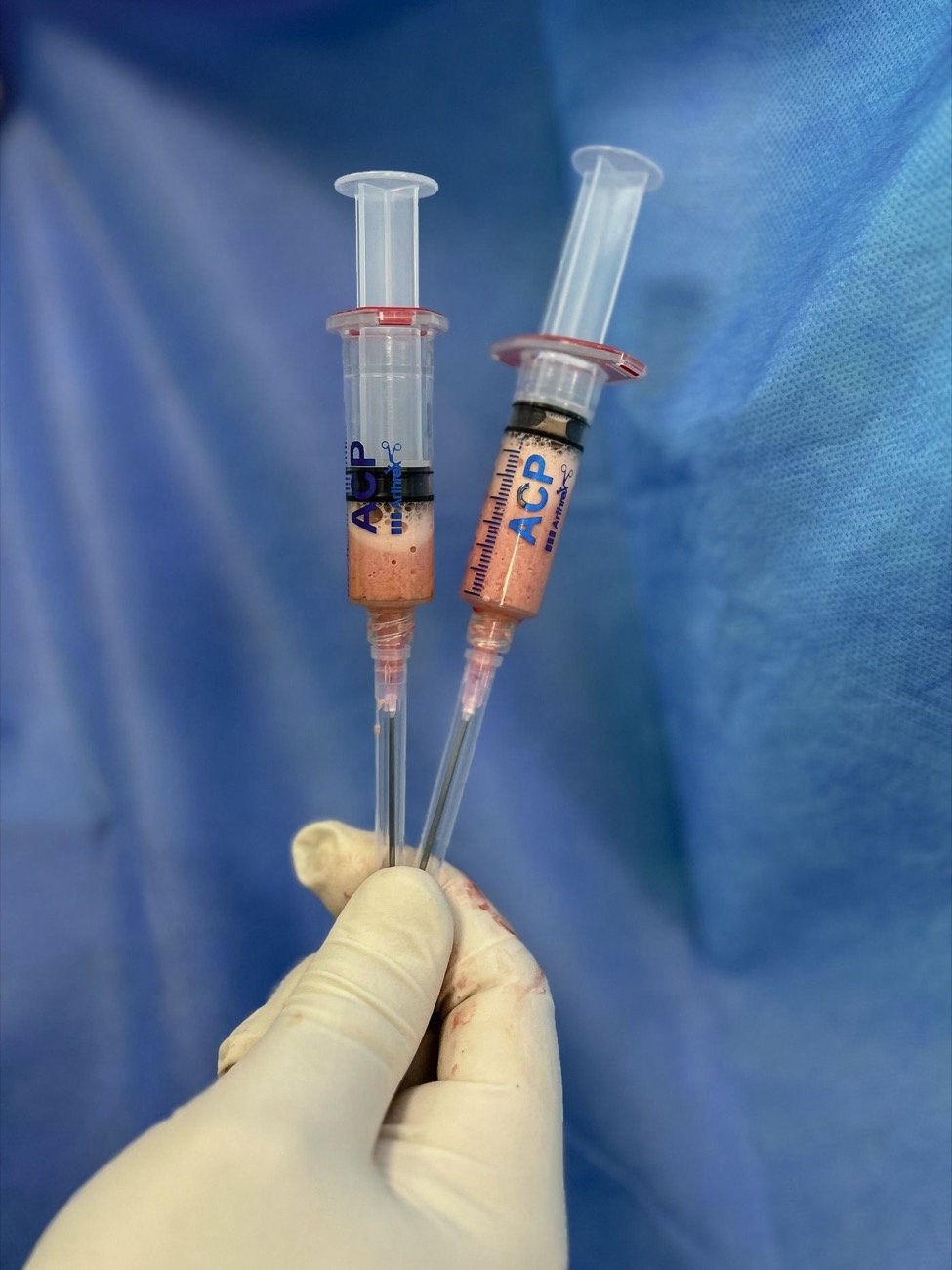
Reconstitution: where measurement errors actually happen
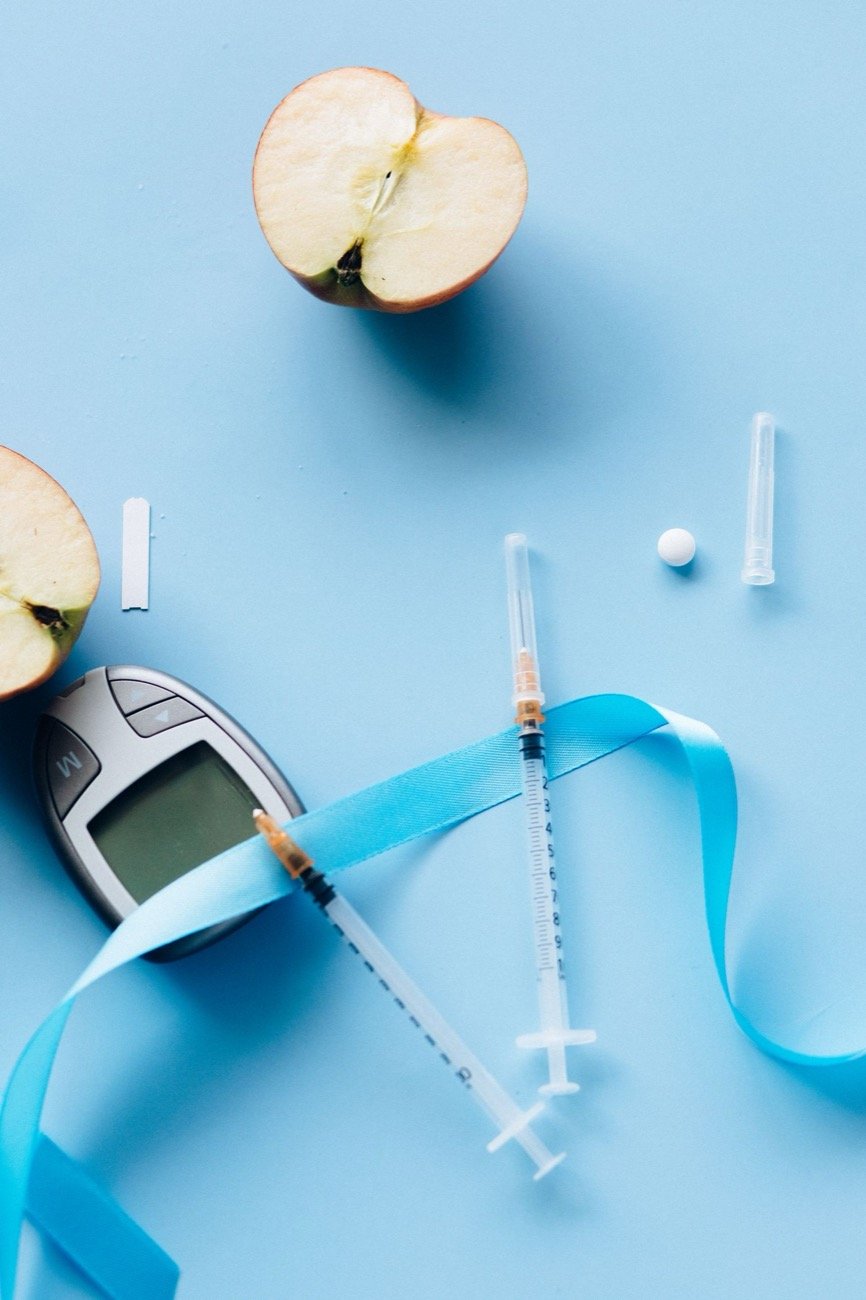
A 5mg vial reconstituted with bacteriostatic water at a given volume produces a specific concentration, expressed as milligrams per milliliter. Getting from that concentration to a microgram-range dose requires a precise syringe, typically an insulin syringe marked in fine increments.
This measurement step is where most of the practical error in this category actually occurs, far more than any uncertainty in the dose figures themselves. It's also exactly the kind of hands-on detail no vendor page or forum post can standardize for you, since it depends on the specific vial size and dilution volume chosen.
Why vendor-stated dosing advice should be read skeptically
A vendor selling a research-use-only compound has a commercial interest in the product appearing usable. That creates an obvious tension when the same page also has to disclose that the product isn't intended for human use.
Some vendor pages handle this by citing the animal-study range without over-claiming. Others present a confident-sounding "recommended dose" that reads more like a supplement label than a research chemical. Treat the second version as a documentation red flag, not a helpful data point.
Neither BioLongevity Labs nor Limitless Biotech, the two brands we've reviewed in depth, present BPC-157 as having an established human dose. Both frame it within research-use terms, the more honest framing given the actual state of the evidence.
What to actually take away from this
Researching BPC-157? The evidence-strength picture matters more than any specific number. This is a compound with a large preclinical literature and essentially no human trial data, sold strictly for research purposes.
For the fuller comparison against TB-500, including cost and blend options, see BPC-157 vs TB-500. For the broader context of what a research peptide is, start with what are research peptides.