What a research peptide actually is
A peptide is a short chain of amino acids, shorter than a full protein. Some occur naturally in the human body and play real, well-documented roles. Insulin is a peptide, for example.
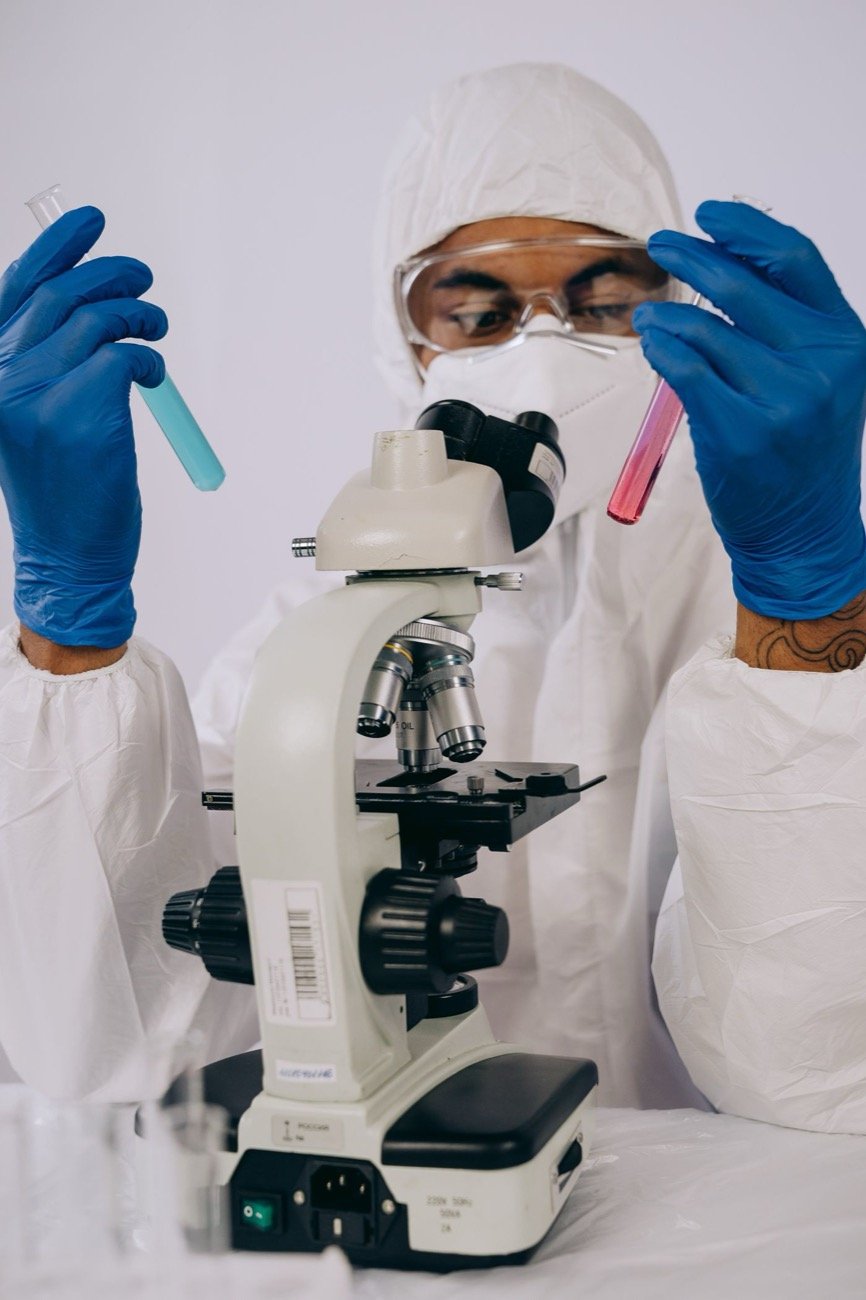
Research peptides, as the category is sold online, are synthetic versions of naturally occurring or lab-designed peptide sequences. Manufactured and sold specifically for laboratory research, not human consumption.
That "research use only" framing is the legal basis the entire industry operates under, not a marketing quirk.
These compounds are sold to researchers and labs, and in practice, a much broader consumer audience that buys them anyway. The manufacturer's stated purpose, and the attestation you make at checkout, is research use, never personal use. Every reputable vendor in this space states that clearly, including both brands we review in depth on this site.
What legal status actually means here
None of the peptides commonly discussed in this space, BPC-157, TB-500, most others, have FDA approval as a drug for human use in the United States.
BPC-157 specifically appears on the FDA's list of bulk drug substances nominated for compounding that were withdrawn from consideration. The FDA declined to allow it in compounded human drug products, a meaningfully different status from either approved or illegal to sell as a research chemical.
This is a legal fact, not a judgment on whether these compounds are dangerous or beneficial. It shapes how they're sold: research-use-only, with buyer attestation. A different, lighter framework than a supplement under DSHEA, and a different one still from an approved medication.
The evidence isn't the same for every peptide
This is the part that gets flattened the most in marketing. Different research peptides have wildly different amounts and quality of supporting evidence, and lumping them into one "peptides" category obscures that.
BPC-157 has a large preclinical, animal and cell, literature, but almost no human trial data. What exists looked at oral use for gastrointestinal conditions, not the injectable use that dominates online discussion.
TB-500, a fragment of thymosin beta-4, has an even thinner evidence base than BPC-157. It gets confused with human trials of the *full* thymosin beta-4 protein, a different molecule entirely. Our BPC-157 vs TB-500 comparison breaks this specific distinction down in detail.
GHK-Cu (copper tripeptide-1) is the clearest exception in this category. A recognized cosmetic ingredient with a legitimate, legally sold consumer form, skincare serums, backed by actual small human trials on skin firmness and texture.
That's a genuinely different evidence and legal situation than a research-only injectable vial, even though both go by the "GHK-Cu" name. Our copper peptides guide covers that split in full.
| Peptide | Human trial evidence | Legal/consumer status |
|---|---|---|
| BPC-157 | Minimal, mostly oral GI studies | Research use only, not FDA approved |
| TB-500 | Very thin, often confused with full thymosin beta-4 data | Research use only, not FDA approved |
| GHK-Cu (cosmetic serum) | Small human trials on skin outcomes | Legal, recognized cosmetic ingredient |
| GHK-Cu (research vial) | Same as above, but not applicable to injectable use | Research use only, not FDA approved |
Other categories you'll run into in this space
BPC-157, TB-500 and GHK-Cu get the most search volume, but the broader research peptide category is larger. Growth hormone secretagogues like CJC-1295 and Ipamorelin are peptides designed to stimulate the body's own growth hormone release, marketed heavily around recovery and anti-aging claims, again with the same research-use-only status and thin human trial base as the rest of the category.
GLP-1 receptor agonists (semaglutide, tirzepatide) are a different situation entirely, worth distinguishing clearly: these are FDA-approved prescription medications for diabetes and weight management, not research chemicals. They get discussed alongside research peptides online because they're also peptides and also injectable, but their regulatory status, evidence base and legal sourcing are completely different, and they're not part of what either brand reviewed on this site sells.
Longevity-focused peptides like Epithalon and MOTS-c circulate with claims about cellular aging and mitochondrial function, generally backed by even less human data than BPC-157, since this is one of the newer and more speculative corners of the category.
Why this category exists at all
Legitimate scientific research on peptides is real and ongoing, at universities, pharmaceutical companies and research institutions, and that research needs a legal supply chain to buy the raw compounds it studies. That's the actual, intended market this industry serves.
The much larger consumer audience buying these same compounds for personal use exists in a gray zone the industry doesn't pretend isn't there, hence the research-use-only framing and buyer attestation covered above. Understanding that the legitimate research market is the stated purpose, even if it isn't the majority of actual sales, explains a lot about how the industry is structured and regulated.
Why the terminology gets confusing online
Forums and social media often use "peptide" loosely, sometimes covering everything from a legal cosmetic serum to an injectable research chemical to an FDA-approved prescription drug, all in the same thread.
That looseness is a big part of why confusion spreads about legal status and evidence quality. Being precise about which specific product and category you're discussing, cosmetic, research-only, or prescription, resolves most of the apparent contradictions people run into when researching this space.
How this category is typically sold
Nearly every legitimate vendor in this space requires an account, an attestation to research-use purpose, and sometimes proof of research affiliation before completing a purchase, mechanisms meant to reinforce the stated legal framework rather than mere formality.
Payment processing is also more restricted than typical e-commerce, since major processors and banks are cautious about this category given its regulatory ambiguity. This is part of why vendor reputation and documentation quality matter more here than in almost any other supplement-adjacent category, covered in depth in how to vet a peptide vendor.
Storage and handling basics
Lyophilized (freeze-dried) peptides are generally stable at refrigerator temperature before reconstitution, and many vendors ship them that way specifically for stability during transit.
Once reconstituted with bacteriostatic water, a peptide's working stability window shortens considerably, typically to a matter of weeks even under refrigeration, and it should never be left at room temperature for extended periods. This is standard laboratory-reagent handling practice, consistent with a product's stated research-use purpose, not a special instruction unique to any one compound.
What determines whether a vendor is worth buying from
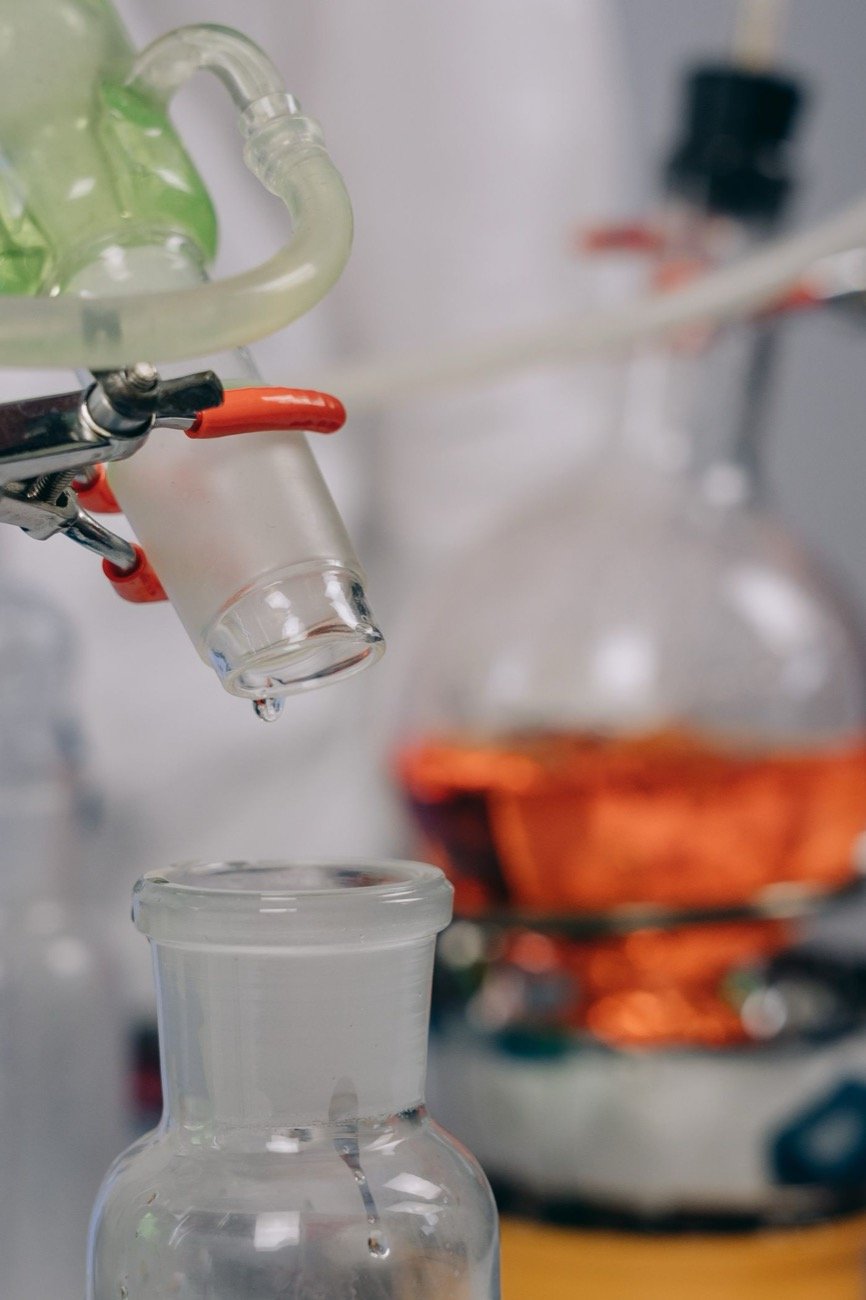
The FDA doesn't verify potency or purity here the way it does for approved drugs. That leaves the vendor's own documentation as the only real quality signal available.
That means a Certificate of Analysis (COA) you can actually read before paying, ideally batch-specific rather than catalog-wide. Purity results by HPLC. Identity confirmation by LC-MS.
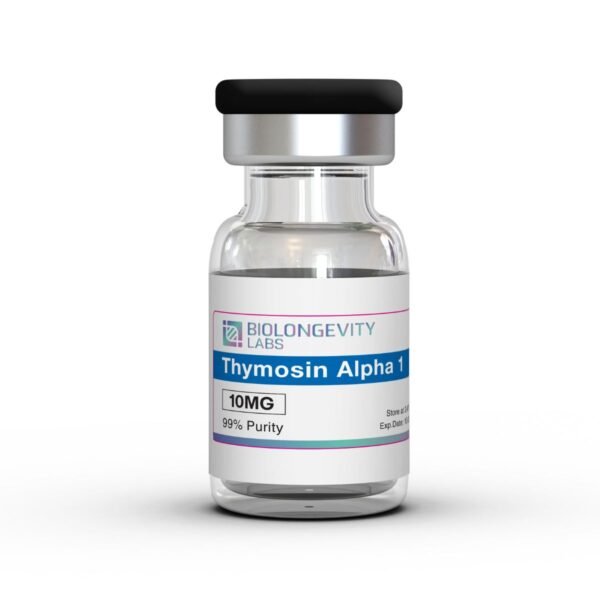
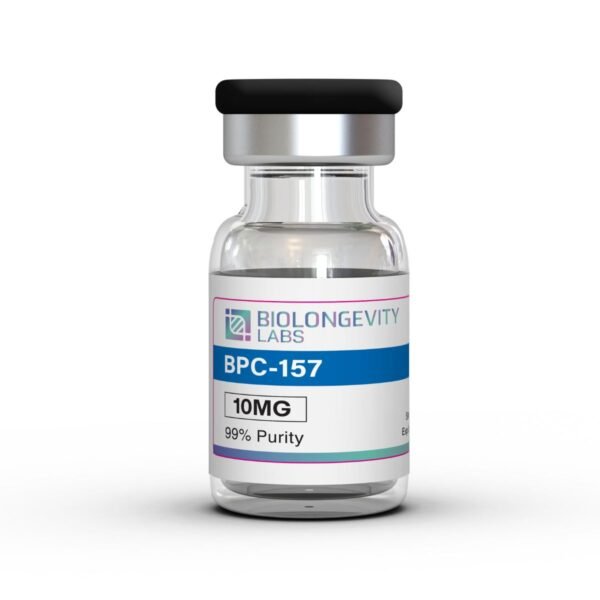
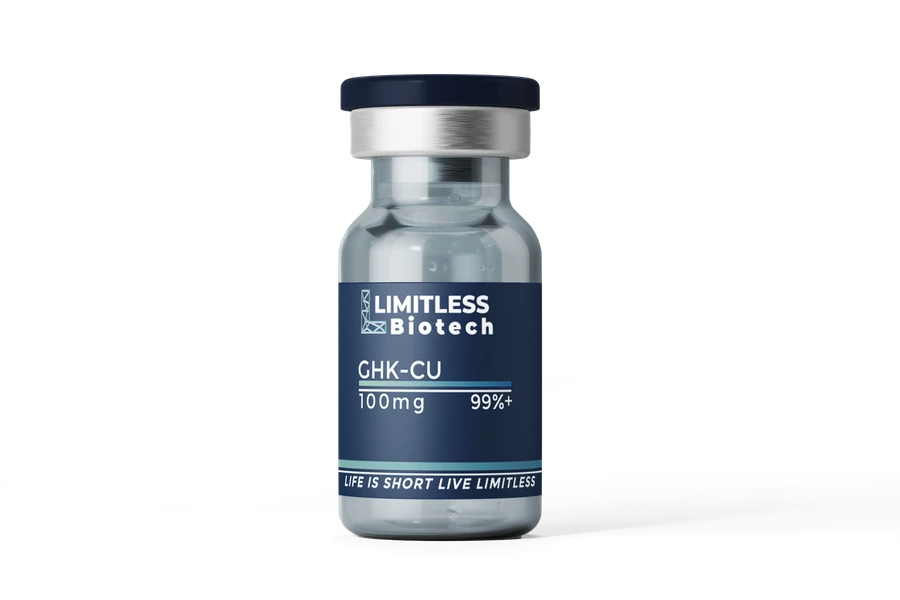
We cover this in full in how to vet a peptide vendor, walking through the seven checks that separate genuine documentation from a marketing claim. BioLongevity Labs and Limitless Biotech, the two brands we've reviewed in depth, serve as worked examples.
Where to go next
Deciding between two specific compounds? Start with the BPC-157 vs TB-500 comparison. Already know which compound and want to evaluate a specific vendor? How to vet a peptide vendor is the practical checklist.
Researching BPC-157 specifically? The available research on amounts and frequency is thin, and worth reading in full before treating any number as a settled standard.