1. Magnesium glycinate, the sensible first choice
Magnesium earns the top spot on an unglamorous basis. A large share of adults fall short of the recommended intake, correcting a genuine shortfall is associated with better sleep quality and fewer night cramps, and the downside risk is close to zero at sensible doses.
Form matters more than brand here. Magnesium oxide, the cheapest and most common option on shelves, absorbs poorly and mostly acts as a laxative. Glycinate absorbs well, is gentle on the gut, and carries glycine, which has its own calming reputation.
Take 200 to 400mg of elemental magnesium in the evening with food. Loose stool is the signal you've gone too high. Our magnesium guide covers the citrate comparison and the kidney caveat in full.
2. Ashwagandha, if stress is the actual problem
Ashwagandha has more randomized trial data than almost any other herbal supplement, and the most consistent finding is reduced self-reported stress alongside measurable drops in cortisol over about eight weeks.
Sleep improvements show up reliably in one specific group: people whose sleep problems track their stress. If you lie awake with a racing mind, this is a reasonable thing to try. If your sleep is broken for other reasons, expect less.
Use a standardised extract at 300 to 600mg a day, because KSM-66 and Sensoril are what the trials actually used. And read the cautions properly. It can raise thyroid hormone levels, it's contraindicated in pregnancy, and rare liver injury reports exist.
3. Melatonin, useful for the right problem at the wrong dose
Melatonin is widely misunderstood. Rather than sedating you, it acts as a timing signal that tells your body night has arrived. That makes it genuinely effective for jet lag and shifted sleep schedules, and much weaker for ordinary insomnia.
The dosing situation is worse than the evidence. Products commonly sell 5mg and 10mg, while the trials supporting a phase shift used 0.5mg to 3mg taken a few hours before target bedtime. More is not better here, and higher doses are associated with next-day grogginess.
If you're crossing time zones, it's a good tool. If you simply can't fall asleep at home, it's probably the wrong one.
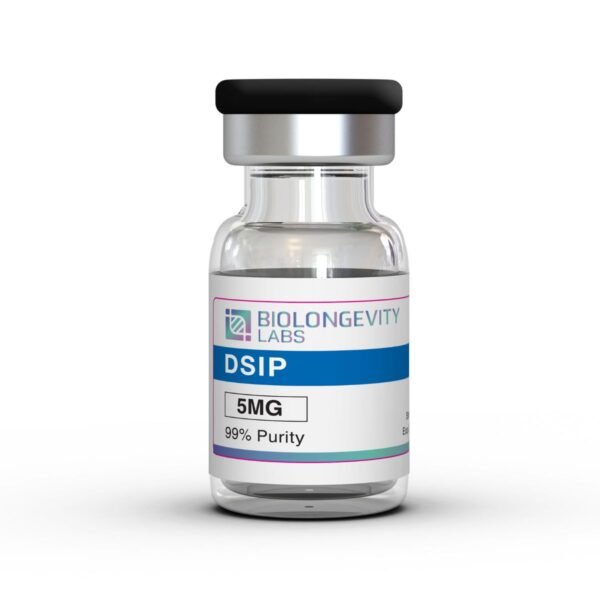
4. DSIP, the one we'd skip
Delta sleep-inducing peptide has an unbeatable name and very little behind it. The published human work is old, small and inconsistent, and there's no trial establishing a dose or a safety profile for the way it's actually used.
It's also a research chemical, not a supplement. It has no approved consumer form, and the vendors selling it, including BioLongevity Labs in our brand reviews, sell it under research-use-only terms that buyers attest to at checkout.
We list it on our ranked picks page because people search for it and the vendor documents it consistently. That's a statement about paperwork, not about sleep. Between DSIP and a $15 bottle of magnesium glycinate, the magnesium is the better-evidenced option by a wide margin.
What actually beats all four
This part is unfashionable and it's still true. Sleep timing, light exposure and caffeine cutoff move sleep quality more than any capsule in this list.
A consistent wake time, morning daylight, a dark cool room, and no caffeine after early afternoon. None of it is monetisable, which is roughly why it gets less airtime than supplements do.
Treat supplements as the thing you add after those are in place, not instead of them. And if you're dealing with genuine insomnia rather than poor sleep habits, that's a conversation for a doctor, because cognitive behavioural therapy for insomnia outperforms every supplement on this page.