Stress supplements aren't one category
"Stress supplement" gets used as a catch-all for adaptogens, minerals and amino acids that work through completely different mechanisms and timelines. Some act within an hour. Others need eight weeks of consistent use to show an effect.
Treating them as interchangeable is how people end up disappointed by a supplement that was never going to work on the timeline they expected. This ranks the four most common stress-marketed ingredients by trial evidence quality.
1. Ashwagandha: the best-studied option
Ashwagandha has more randomized controlled trial data behind it than any other herbal stress supplement on the US market. The most consistent finding: a reduction in self-reported stress alongside a measurable drop in cortisol, the body's primary stress hormone, typically over roughly eight weeks of daily use.
A widely cited randomized trial published in Medicine found significant reductions in both stress scores and serum cortisol compared to placebo.
The standardized extracts used in trials, most commonly KSM-66 and Sensoril, matter more than the brand selling them. Look for one of those two extract names on the label, not a generic "ashwagandha root powder." The trial evidence is specific to these standardized forms.
Typical trial doses run 300 to 600mg/day. It's contraindicated in pregnancy, can raise thyroid hormone levels, and carries rare liver injury reports worth knowing about, all covered in more depth in the site's ashwagandha guide.
2. Magnesium: correcting a real, common gap
A large share of US adults fall short of the magnesium RDA. Magnesium plays a direct role in regulating the nervous system's stress response.
Correcting a genuine shortfall is associated with improved stress resilience and sleep quality in the research. Different mechanism than ashwagandha's cortisol effect, but a legitimate one.
Magnesium glycinate, dosed at 200 to 400mg of elemental magnesium in the evening, is generally the better-tolerated form for this purpose. The full reasoning is in the magnesium glycinate dosage guide and the best magnesium supplement comparison if citrate fits your situation better.
3. L-theanine: fast, but not a long-term fix
L-theanine, an amino acid found naturally in tea, produces a measurable calm-alertness effect within about 30 to 60 minutes, without sedation. That's why it's popular paired with caffeine to smooth out jitteriness.
Useful for acute, situational stress: a stressful meeting, a flight, a big presentation. Not for correcting an underlying chronic stress pattern the way ashwagandha or magnesium aim to.
Typical doses run 100 to 200mg as needed. It has a strong safety profile and minimal interaction concerns, making it one of the lower-risk options on this list to simply try.
| Supplement | Best for | Typical dose | Time to effect |
|---|---|---|---|
| Ashwagandha | Chronic, ongoing stress | 300 to 600mg/day, standardized extract | About 8 weeks |
| Magnesium glycinate | Stress tied to a dietary shortfall or poor sleep | 200 to 400mg elemental, evening | 1 to 2 weeks |
| L-theanine | Acute, situational stress | 100 to 200mg as needed | 30 to 60 minutes |
| Rhodiola | Fatigue-related stress, mental exhaustion | 200 to 400mg/day, standardized extract | 1 to 3 weeks |

4. Rhodiola: real evidence, narrower use case
Rhodiola rosea has supporting trial evidence specifically for stress-related fatigue and mental exhaustion, a somewhat different presentation than generalized anxiety-type stress. Trials commonly used standardized extracts, often standardized to rosavin and salidroside content, at 200 to 400mg/day.
The evidence base is real but considerably smaller than ashwagandha's. Best thought of as a targeted option for burnout-type fatigue, not a general first-line stress supplement.
5. Phosphatidylserine: a less-known option with real cortisol data
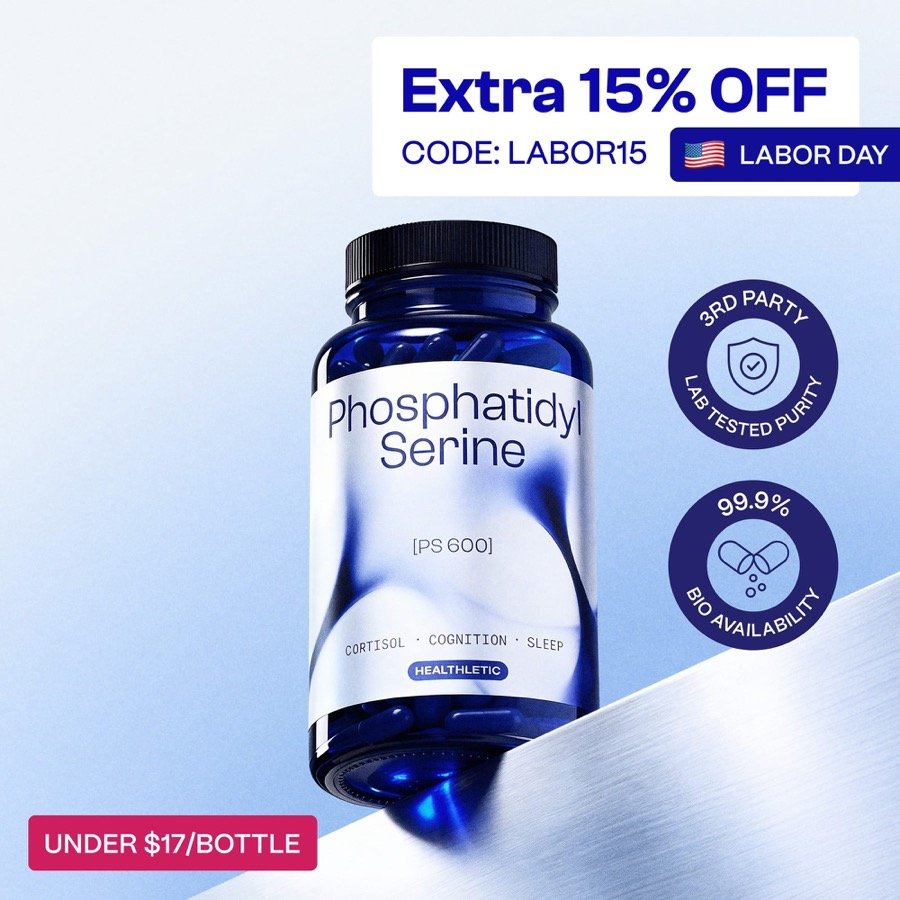
Phosphatidylserine is a phospholipid that makes up part of nerve cell membranes, and it's one of the few ingredients in this category with an FDA-recognized qualified health claim tied to cognitive function, alongside separate trial data specifically on blunting exercise- and stress-induced cortisol spikes.
Trial doses commonly run around 300 to 600mg/day of a standardized extract. Healthletic's Ultimate Phosphatidylserine uses a 600mg clinical dose, at the upper end of what the trials actually tested, if you're looking for a product matching that research.
Why timing expectations matter so much here
The single biggest reason people give up on a stress supplement too early is expecting an ashwagandha-like effect from something that works on a magnesium-like timeline, or vice versa. Each of the four options here has a genuinely different speed.
Knowing which timeline applies to which supplement before starting is the difference between a fair trial and a premature verdict that a supplement "doesn't work" when it simply hadn't been given the right amount of time.
Does CBD belong on this list?
CBD gets marketed heavily for stress and anxiety, and consumer interest is high, but the regulatory situation is messier than for the other supplements here. CBD products vary enormously in actual cannabidiol content versus what's labeled, since the category isn't held to the same testing standards discussed in how to read a supplement label.
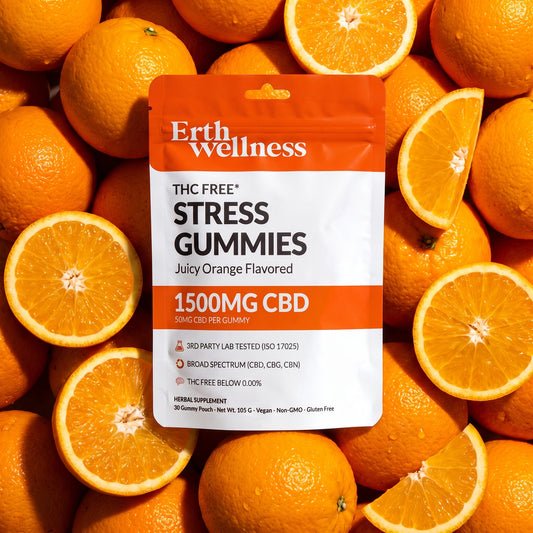
The human trial evidence for anxiety specifically is more limited than ashwagandha's, and dosing varies wildly across products with no real standardization. It's not covered as a primary recommendation here for those reasons, not because the underlying compound has no research behind it at all. For readers who still want to try it, Erth Wellness sells a THC-free stress gummy dosed at 1500mg CBD total with third-party testing and COAs, a genuine hemp-derived option if you go this route, distinct from and regulated differently than every supplement on this page.
What about B vitamins and stress?
B-complex supplements get marketed for stress and "energy support" constantly. The evidence is weakest for people who aren't deficient, similar to the biotin pattern in skin supplements.
B vitamins are genuinely required for nervous system function and energy metabolism, so a real deficiency (more common in strict vegans for B12, or people on certain medications) can plausibly worsen stress tolerance and fatigue. For someone already eating an adequate, varied diet, a B-complex adds little beyond what food already supplies.
Can you combine these safely?
Ashwagandha and magnesium glycinate are commonly taken together, and there's no known significant interaction between them; they work through different mechanisms, cortisol regulation versus nervous system and muscle function, so combining is reasonable if both symptoms apply to you.
L-theanine is also considered safe to combine with either, and is frequently paired with caffeine specifically. The one combination worth more caution is stacking multiple sedating or blood-pressure-lowering supplements at once (ashwagandha can modestly lower blood pressure and thyroid hormone levels in some people), which is a reason to introduce one new supplement at a time rather than starting three simultaneously, so you can actually tell what's doing what.
When it's not a supplement problem
Every supplement on this list addresses stress at the margins: correcting a deficiency, smoothing an acute spike, supporting a hormone pathway. None of them are designed to treat clinical anxiety disorders or major depressive episodes, and expecting them to is where people get hurt by delaying real treatment.
Persistent stress that interferes with sleep, work or relationships for weeks at a time, or that comes with physical symptoms like chest tightness or panic, is worth bringing to a doctor rather than working through with supplements alone. Therapy and, where appropriate, medication have a far larger and more rigorous evidence base for those situations than anything covered here.
Putting it together
Choosing one supplement for ongoing, chronic stress? Ashwagandha has the strongest and broadest evidence base. Stress tangled up with poor sleep, or a diet light on magnesium-rich foods? Magnesium glycinate addresses a real, checkable gap.
L-theanine is worth keeping on hand for acute situational stress specifically. Rhodiola is worth trying if fatigue, more than anxiety, is the dominant symptom.
None of these replace addressing the actual source of the stress. Persistent, severe stress or anxiety is a conversation worth having with a doctor, not something to self-treat indefinitely with supplements.