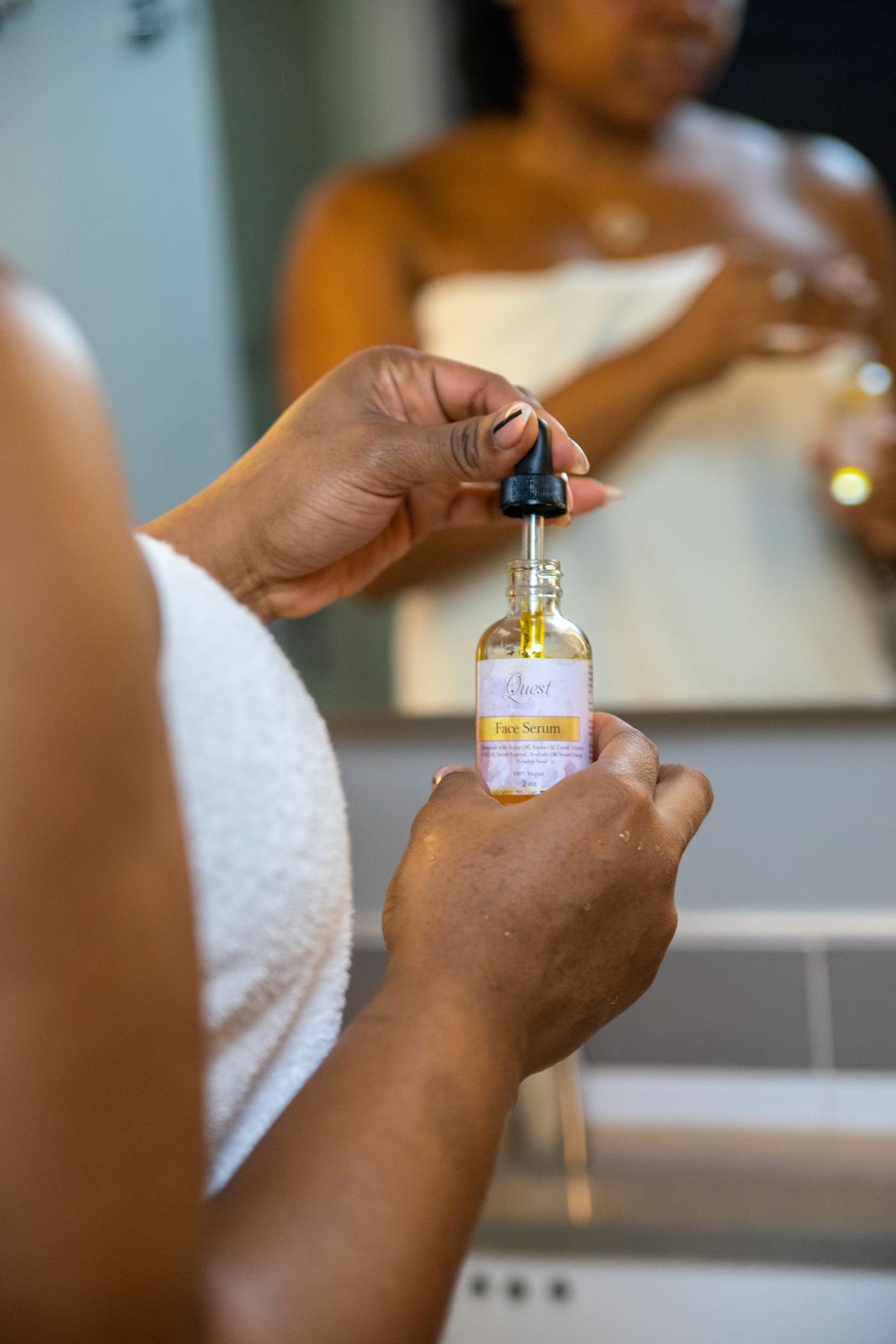
What copper peptides actually are
GHK-Cu is a three amino acid chain, glycine-histidine-lysine, bound to a copper ion. On an ingredient list you'll see it as copper tripeptide-1. It occurs naturally in human plasma, and levels drop with age, which is where most of the marketing story starts.
Here's the part worth holding onto. Unlike almost everything else discussed in the peptide world, this one has a legitimate consumer form. Copper tripeptide-1 is a recognised cosmetic ingredient, and you can buy a serum containing it at a normal shop without any regulatory grey area at all.
What the research supports
The mechanistic work is the strongest part. GHK-Cu appears to influence copper transport into cells, and copper is a cofactor for lysyl oxidase, the enzyme that cross-links collagen and elastin. That gives a coherent story for why it might affect skin firmness rather than just hydration.
On human skin specifically, the published trials are small. They report improvements in fine lines, elasticity and skin density over roughly 12 weeks of twice-daily use, mostly in studies with a few dozen participants. Several were funded by companies selling the ingredient, which does not make them wrong but is worth knowing.
So a fair summary. Better evidence than most cosmetic peptides. Nowhere near the evidence base behind retinoids or sunscreen. Our GHK-Cu coverage grades it moderate for exactly this reason.
Copper peptides vs retinol
This comparison drives a lot of search traffic, and the honest answer disappoints people who want a winner. Retinoids have decades of trial data across wrinkles, pigmentation and acne. Copper peptides have a fraction of that. If you're choosing one on evidence alone, retinoids win, and it isn't close.
Where copper peptides get interesting is tolerability. Retinoids irritate a lot of people, especially at the start, and plenty of people simply quit. GHK-Cu is generally well tolerated and doesn't cause the peeling phase. A product you'll actually keep using beats a better product you abandon in week three.
How to use it without wasting it
Two practical rules matter more than the rest.
First, keep it away from vitamin C and strong exfoliating acids in the same application. Copper and ascorbic acid interact in ways that can degrade both. Use one in the morning and the other at night if you want both.
Second, give it three months. Every trial that found an effect measured it over 8 to 12 weeks of consistent twice-daily use. Judging it after two weeks tells you nothing except whether it irritates you.
- Apply to clean skin, before heavier creams
- Separate it from vitamin C and AHA or BHA products by time of day
- Expect texture and firmness changes, not a dramatic visible transformation
- Give it 12 weeks before deciding whether it works for you
Cosmetic serum or research vial? They are not the same thing
Search GHK-Cu and you'll hit two completely different product categories, and the difference matters legally and practically.
The first is a cosmetic serum: a finished formulation, at a disclosed concentration, made for skin and sold for skin. That's the one to buy if your interest is your face.
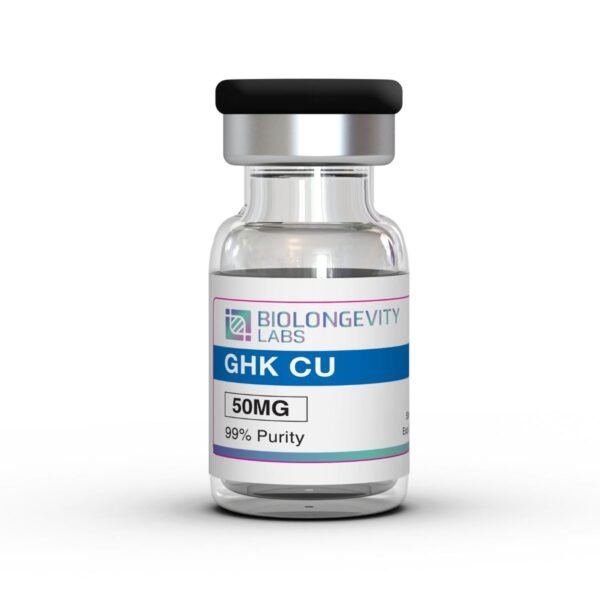
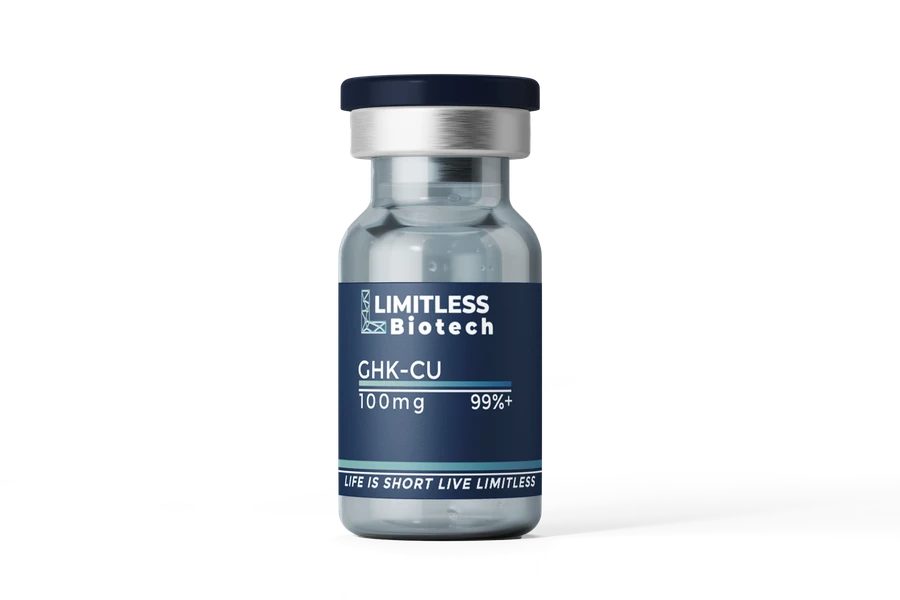
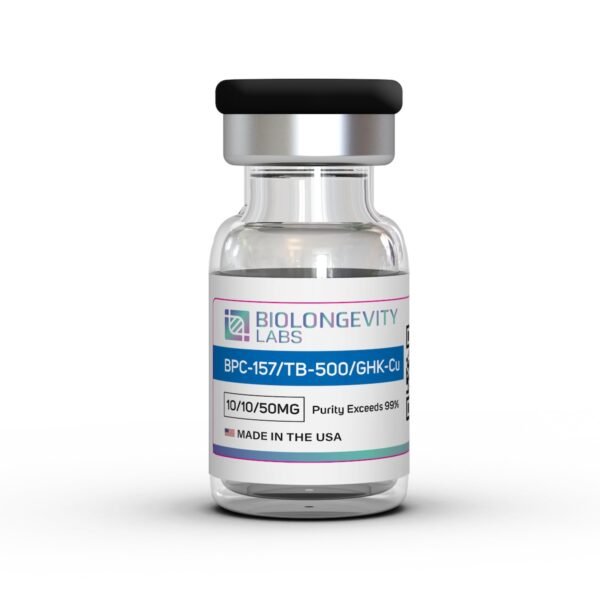
The second is a lyophilized research vial, sold by peptide suppliers under research-use-only terms at much higher raw quantities. Both brands we review list one. BioLongevity Labs sells a 50mg vial with the price and Certificate of Analysis public. Limitless Biotech lists a 100mg vial with batch-level COAs but keeps the price behind an account login.
Those vials are not consumer skincare, they're not sold for human use, and reconstituting one is not a home skincare project. We list them because people search for them, and our brand reviews cover how each vendor documents them.