What Cellular Transport Technology actually is
Liquid I.V. markets its hydration mechanism as Cellular Transport Technology (CTT), which sounds like a proprietary invention but describes a well-established physiological process: sodium-glucose cotransport.
The small intestine has transport proteins (SGLT1) that move sodium and glucose into intestinal cells together, and water follows that movement by osmosis. This is the same basic principle behind oral rehydration therapy formulas used in clinical and humanitarian settings for decades.
The mechanism itself is real and well-documented physiology rather than invented marketing. Where the marketing comes in is the framing: that this makes Liquid I.V. meaningfully different from, or superior to, other electrolyte products using the same ratio-based approach.
Pedialyte has relied on the identical glucose-sodium cotransport principle since long before Liquid I.V. existed.
What the sugar actually costs you
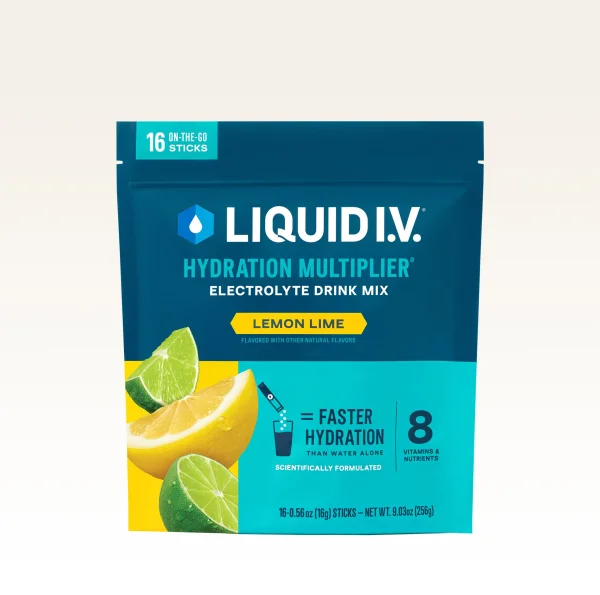
The standard Hydration Multiplier formula contains 11 grams of sugar per stick, which works out to roughly 69% of the powder's dry weight being sugar. Per the brand's own nutrition panel, a single serving mixed into water delivers about 22 grams of carbohydrate in total.
That's a meaningful chunk of added sugar for something you might reach for multiple times a day, particularly during illness, travel, or hot weather. Exactly the scenarios the product is marketed for.
The sugar is functionally required for the sodium-glucose cotransport mechanism to activate at all, not an incidental ingredient.
This is the tradeoff that doesn't get much attention in the marketing: you can't have the CTT mechanism as described without some glucose in the mix. The real question is whether a daily-use hydration product needs 11 grams of sugar to deliver it, or whether a lower-sugar ratio would still trigger meaningful cotransport.
For people managing diabetes, prediabetes, or simply trying to limit added sugar, this is a legitimate reason to default to the Sugar-Free version or a lower-sugar alternative like LMNT, rather than the standard formula. Especially for frequent or daily use rather than occasional rehydration after a specific illness or workout.
Sodium and potassium: how it actually compares
Per published nutrition data, the standard Hydration Multiplier delivers roughly 500mg of sodium and 370mg of potassium per stick. Scaled to a liter basis as used in some clinical trial materials, that's closer to 1,020mg sodium and 760mg potassium per liter when multiple servings are combined, though most people use a single stick per bottle of water rather than scaling to a full liter ratio.
Against Pedialyte, which runs lower in sodium per serving (closer to 370mg) and is formulated more conservatively for clinical rehydration use (originally developed for pediatric diarrhea-related dehydration), Liquid I.V. sits moderately higher in both electrolytes.
Against LMNT, which deliberately formulates for roughly 1,000mg of sodium per packet with minimal sugar, Liquid I.V. delivers meaningfully less sodium per serving.
The practical read: Liquid I.V. sits in the middle of the electrolyte-product spectrum, more concentrated than a typical sports drink, less concentrated in sodium than LMNT, and less clinically conservative in sugar than Pedialyte.
None of these are wrong formulations. They're built for different use cases, and which one fits depends more on your sodium needs and sugar tolerance than on which brand has better marketing.
| Product | Sodium per serving | Sugar per serving | Primary use case |
|---|---|---|---|
| Liquid I.V. Hydration Multiplier | ~500mg | 11g | General hydration, travel, illness |
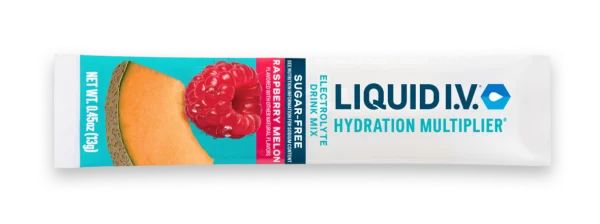
| Liquid I.V. Sugar-Free | ~500mg | 0g (non-glucose delivery system) | Same use case, sugar-avoidant |
| Pedialyte | ~370mg | ~5 to 9g depending on variant | Clinical/pediatric rehydration |
| LMNT | ~1,000mg | ~1g or less | High-sodium needs, keto/low-carb, heavy sweat loss |
What the clinical trial evidence actually shows
Liquid I.V. has sponsored and cited clinical trial work, including registered studies on ClinicalTrials.gov comparing rehydration beverage formulas, and a separate trial on rehydration efficiency during ad-libitum fluid intake.
These studies generally test whether a sodium-glucose electrolyte mix produces measurable rehydration advantages over plain water under controlled conditions like fluid restriction or exercise-induced sweat loss.
The honest summary of this literature: sodium-glucose cotransport formulas, as a category, do have real supporting evidence for faster rehydration than plain water in specific contexts (significant fluid loss, heat exposure, illness-related dehydration).
What's harder to find is independent, non-brand-sponsored evidence specifically isolating Liquid I.V.'s exact formula and ratio as superior to other sodium-glucose products on the market using the same underlying mechanism, including the much older and more clinically established Pedialyte.
For everyday, non-dehydrated use, drinking Liquid I.V. instead of water when you're not actually fluid-depleted doesn't have strong evidence of added benefit. The cotransport mechanism matters most when you're actually behind on fluids and electrolytes, more a targeted tool than a routine daily replacement for water.
Who should actually use it, and when
The clearest use cases with the most supporting logic: active illness involving vomiting or diarrhea, significant heat exposure or exercise-induced sweat loss, air travel (where cabin humidity contributes to mild dehydration), and recovery from a hangover, where both fluid and electrolyte loss are genuinely higher than normal.
The weaker use case: routine daily hydration for someone who isn't losing unusual amounts of fluid or electrolytes. In that scenario, the 11 grams of added sugar is a cost without a clearly matched benefit, and plain water with a balanced diet covers the need adequately for most healthy adults.
Side effects worth knowing about
Liquid I.V. is generally well tolerated, but the sodium content means it's worth moderating for anyone managing blood pressure or on a sodium-restricted diet for kidney or cardiovascular reasons. A single stick isn't a large sodium load. Daily or multiple-times-daily use adds up.
The sugar content carries the same consideration for blood sugar management discussed above.
There are no major FDA warning letters or significant safety recalls tied to the core Hydration Multiplier product as of this writing.
The more relevant "side effect" for most buyers is cost rather than health risk: routine use at retail pricing means a daily-stick habit adds up faster than most people initially account for, compared to simply adding a pinch of salt to water.
The bottom line
The sodium-glucose cotransport mechanism behind Liquid I.V. is real physiology, not an invented gimmick, and it does have genuine supporting evidence for faster rehydration than plain water when you're actually dehydrated. The marketing overstates how unique that mechanism is to this specific brand, since the same principle underlies Pedialyte and other oral rehydration products that predate Liquid I.V.
The sugar content is the detail most worth weighing before making it a daily habit rather than an as-needed product for illness, heat, or travel. For routine daily use, especially for anyone managing blood sugar, either the Sugar-Free version or a lower-sugar alternative like LMNT is the more defensible default.