

Why vendor pages skip this step
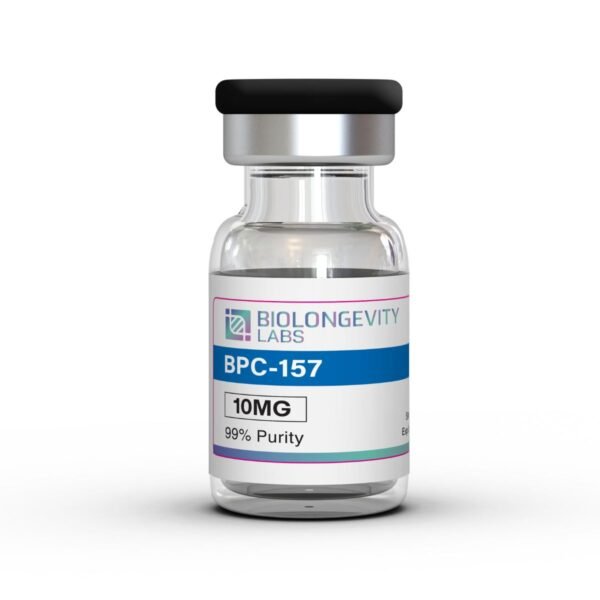
BioLongevity Labs
BPC-157 (10mg)
A vendor product page states a vial size. 5mg or 10mg. Sometimes a suggested dose range too. What it almost never shows is the arithmetic connecting the two.
That's because the math changes depending on how much bacteriostatic water you add. That choice is yours, and so is the math that follows it.
This guide walks through it with real numbers, so you don't have to re-derive it from scratch for every new vial size or dose target.
The three numbers you actually need
Reconstitution math runs on three inputs. Get these three right and the rest is arithmetic:
- Vial size, in milligrams, as printed on the label (commonly 2mg, 5mg, or 10mg).
- Bacteriostatic water added, in milliliters, which is a choice the buyer makes, not something fixed by the vendor.
- Target dose, in micrograms, from whatever source the buyer is working from.
Step 1: find the concentration
Concentration is the vial size divided by the water volume. It's the single most useful number in this whole process. Every other calculation flows from it.
A 5mg vial (5,000mcg) mixed with 2mL of bacteriostatic water gives a concentration of 2,500mcg per mL. Mix that same vial with 1mL instead, and you double it: 5,000mcg per mL. More water, lower concentration, bigger draw volume per dose. Less water does the opposite.
| Vial size | Bac water added | Resulting concentration |
|---|---|---|
| 2mg | 1mL | 2,000 mcg/mL |
| 2mg | 2mL | 1,000 mcg/mL |
| 5mg | 1mL | 5,000 mcg/mL |
| 5mg | 2mL | 2,500 mcg/mL |
| 5mg | 3mL | 1,667 mcg/mL |
| 10mg | 2mL | 5,000 mcg/mL |
| 10mg | 3mL | 3,333 mcg/mL |
Concentration by vial size and bac water volume
Step 2: convert concentration to syringe units
Insulin syringes, the standard tool here, are marked in units, not milliliters. The conversion is fixed: 100 units equals 1mL, no matter what's dissolved in it. So 2,500mcg per mL also means 2,500mcg per 100 units. That's 25mcg per unit.
From there, divide your target dose in micrograms by that mcg-per-unit figure. You get the units to draw. A 250mcg target at 25mcg per unit comes out to 10 units on the syringe.
| Target dose | Units to draw |
|---|---|
| 100 mcg | 4 units |
| 200 mcg | 8 units |
| 250 mcg | 10 units |
| 500 mcg | 20 units |
Worked example: 5mg vial, 2mL bac water (2,500 mcg/mL)
A quick worked example, start to finish
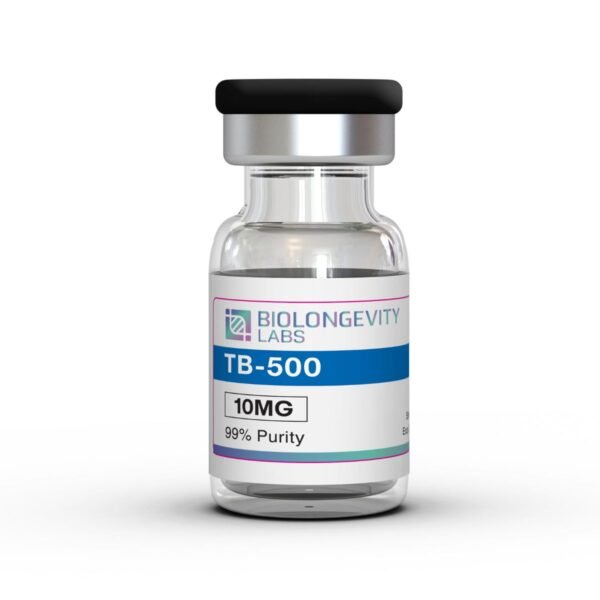
BioLongevity Labs
TB-500 (10mg)
Take a 10mg vial reconstituted with 2mL of bacteriostatic water, and a target dose of 300mcg.
- Concentration: 10,000mcg ÷ 2mL = 5,000 mcg/mL.
- Per unit: 5,000mcg ÷ 100 units = 50 mcg/unit.
- Draw volume: 300mcg ÷ 50 mcg/unit = 6 units.
Where this actually goes wrong
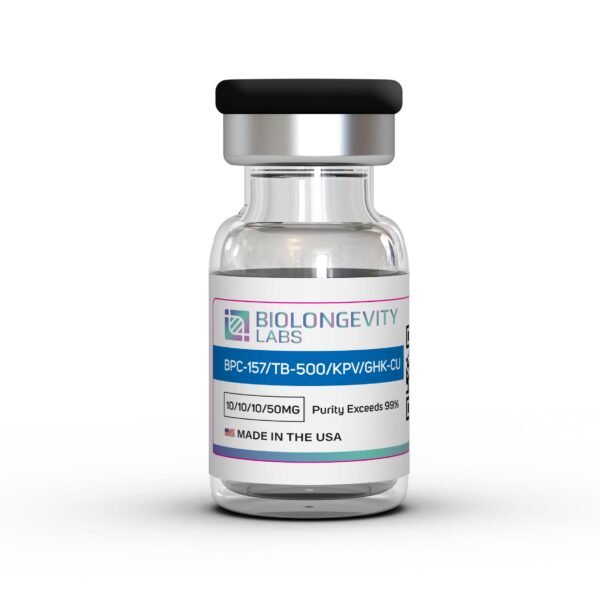
BioLongevity Labs
KLOW Blend (80mg)
The arithmetic itself is simple. Mistakes happen upstream of it: misreading the vial size, forgetting how much water went in already, or mistaking a 0.5mL insulin syringe (50 units total) for the standard 1mL, 100-unit version. Check the barrel first.
A second common error: treating a vendor's "suggested protocol" dose as fixed, then recalculating units for a differently sized vial without re-deriving the concentration. The units figure only holds for the concentration it came from. Change the water volume, and every units figure changes with it.
This is reconstitution math, not a dosing recommendation
This page doesn't state a dose to use. It walks through the arithmetic for converting a vial and a chosen water volume into a syringe reading, for a dose figure you already have from somewhere else. For most research peptides discussed online, including BPC-157, that dose figure is itself extrapolated from animal studies or informal community consensus, not a clinical source. More on that in the BPC-157 dosage guide.
These compounds are sold strictly for laboratory and in vitro research use. That framing doesn't change here.
The 5mg and 10mg vial sizes above are what BioLongevity Labs sells for most single peptides. Code ATLAS15 takes 15% off there, explained on our BioLongevity Labs discount code page.