
How this ranking works
This list ranks eight commonly searched research peptides purely on the strength and quality of the evidence behind each one: human data over animal data, published trials over anecdote, replication over a single small study. No popularity contest. It does not rank by how often a peptide gets mentioned in a given corner of the internet.
Every peptide here is sold as a research chemical, not an approved human drug in the US, regardless of what marketing language a vendor uses. We compare two vendors that sell most of this list, Amino Club and BioLongevity Labs, so the ranking also doubles as a place to actually buy whichever one you're researching.
Discount codes, pricing and where these actually sell for less
Neither Amino Club nor BioLongevity Labs relies much on third-party coupon sites. Both run their own direct pricing and occasional site-wide promotions, which is why every link in this piece routes straight to the vendor rather than through a separate coupon aggregator that may show an expired code.
As a rule, BioLongevity Labs tends to price several of these peptides higher per vial than Amino Club, visible in the price field on each product card below. Whether that premium reflects anything beyond branding is worth checking against each vendor's own Certificate of Analysis before assuming a higher price means higher purity.
1. BPC-157: the deepest preclinical file, with a human-evidence gap
BPC-157 has more published research behind it than anything else on this list, a stable fragment of a protein found in gastric juice, studied extensively in animal models for gut lining repair, tendon and ligament healing, and general tissue recovery.
The gap is human data. Despite the volume of animal research, there is no published human randomized controlled trial on BPC-157 for any of its popularly claimed uses. None. Our full BPC-157 vs TB-500 comparison and BPC-157 dosage guide break down what the animal literature actually shows and how people researching it approach dosing.
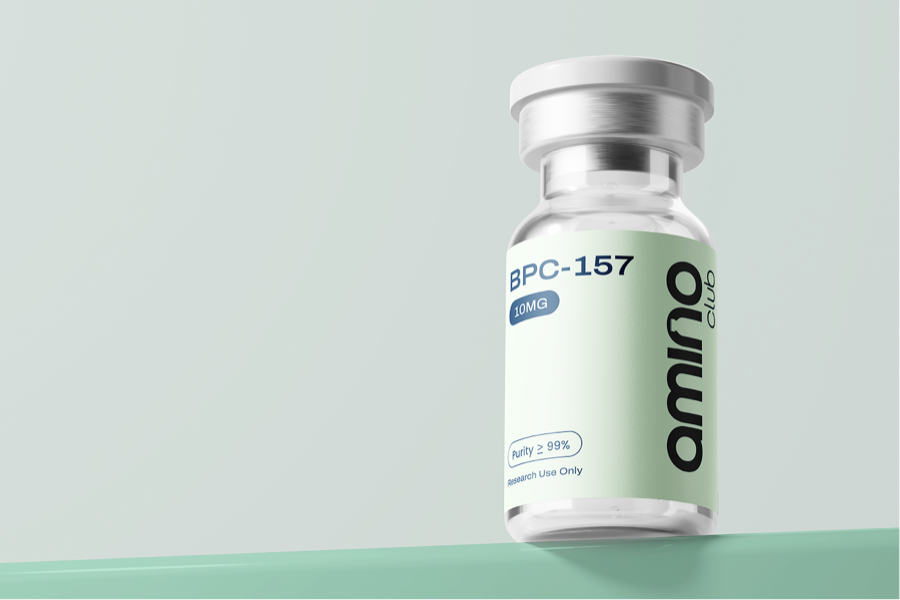
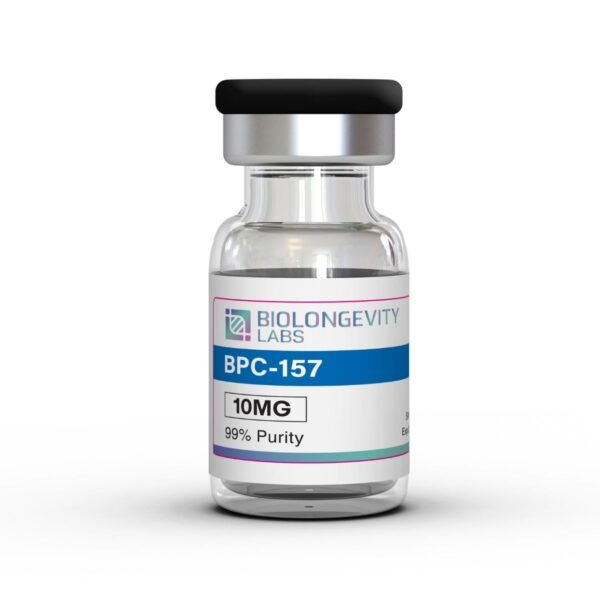
BPC-157 at Amino Club and BPC-157 at BioLongevity Labs are both single-ingredient vials rather than blends, which matters if you want a clean dose to research rather than a mixture.
2. GHK-Cu: the only entry with real small human trials
GHK-Cu (copper tripeptide-1) is the exception on this list. A legal, widely available cosmetic ingredient with small randomized human trials behind its topical use, showing measurable improvements in skin firmness, elasticity and density over roughly 12 weeks.
That evidence applies specifically to the topical cosmetic form, not the unrelated research-use injectable vial sold under the same chemical name. The site's dedicated copper peptides for skin guide covers that distinction in full, since conflating the two is one of the more common mistakes in this category.
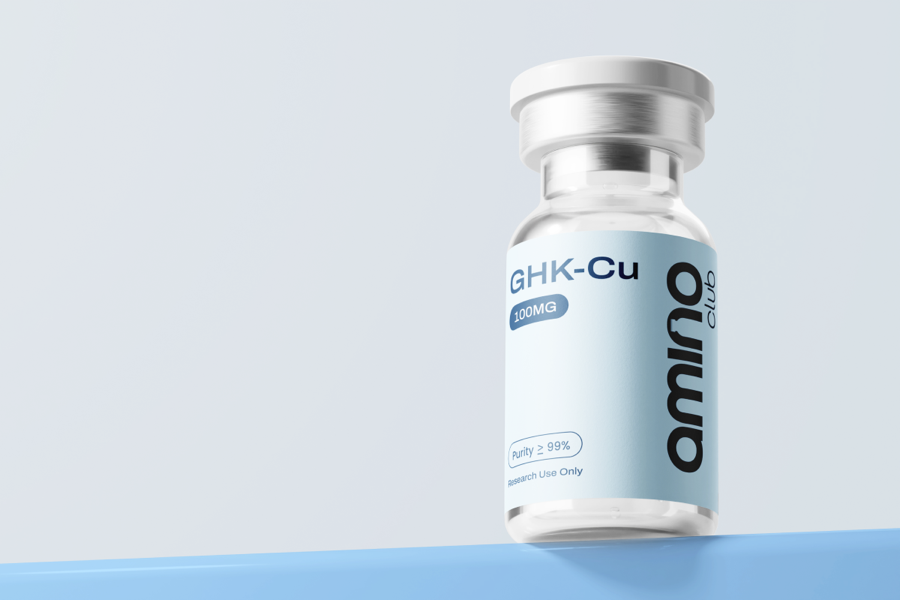
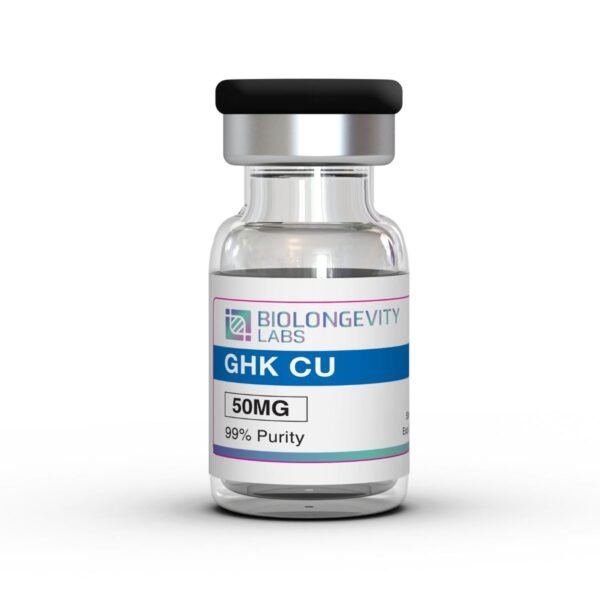
GHK-Cu at Amino Club and GHK-Cu Copper Peptide at BioLongevity Labs both sell the research-use injectable form, not a topical serum.
3. Thymosin Alpha-1: the one with an actual approved-drug history
Thymosin Alpha-1 stands apart because it isn't purely a research-use curiosity. Under the brand name Zadaxin, it's an approved immune-modulating drug in several countries outside the US, used clinically alongside treatment for hepatitis B and C and in some cancer protocols, meaning real clinical-grade human data exists on it, even though it lacks FDA approval domestically.
That history gives it a stronger evidence foundation than most entries on this list, though it's still sold in the US strictly as a research chemical, not an approved medication.
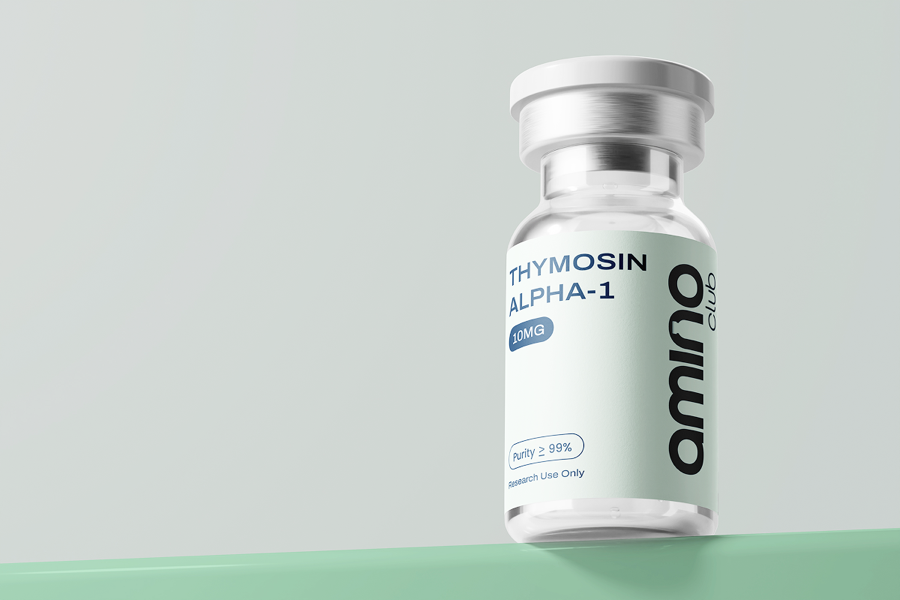
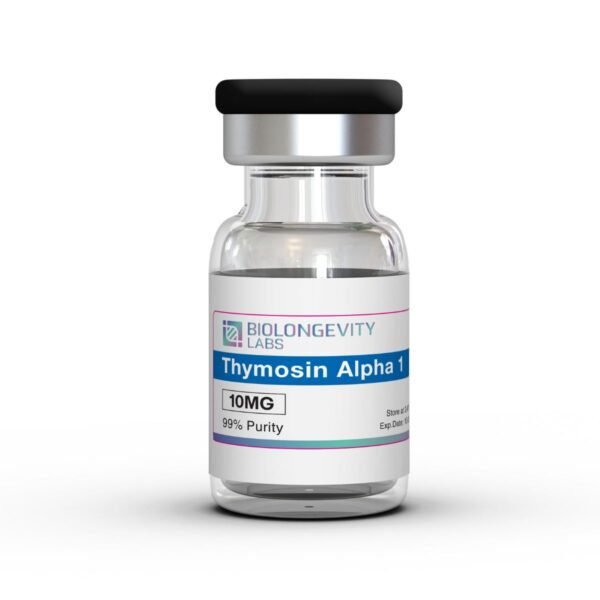
Thymosin Alpha-1 at Amino Club and Thymosin Alpha 1 at BioLongevity Labs are both sold as single-ingredient vials.
4. DSIP: small, dated, but genuinely human
DSIP (Delta Sleep-Inducing Peptide) has a body of small human trials dating back decades, originally isolated and studied for its effect on sleep architecture. The trials are old and small by current standards, but they are human, which places DSIP ahead of several newer, more hyped peptides that have never left animal models.
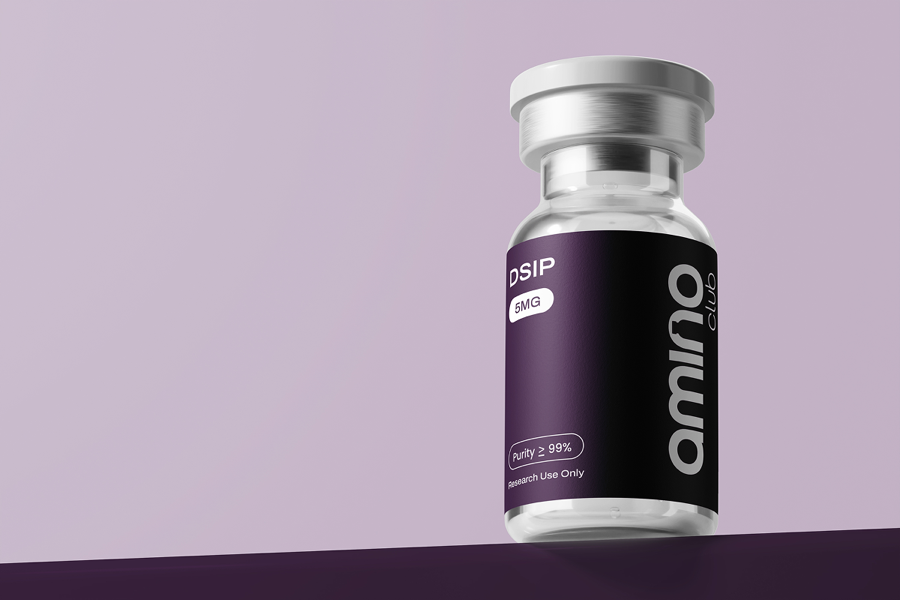
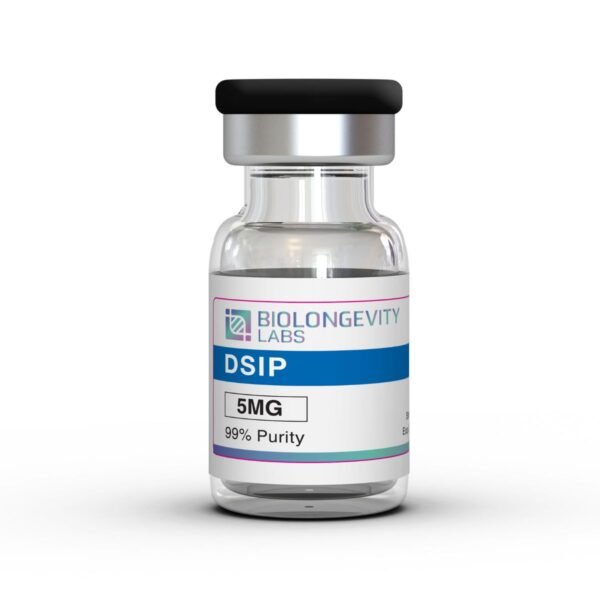
DSIP at Amino Club and DSIP at BioLongevity Labs are both sold as single-ingredient vials.
| Peptide | Strongest evidence type | Human data? | Typical research use |
|---|---|---|---|
| BPC-157 | Animal, extensive | No published RCTs | Tissue and gut lining repair |
| GHK-Cu | Small human trials (topical) | Yes, topical form only | Skin firmness and elasticity |
| Thymosin Alpha-1 | Approved drug elsewhere (Zadaxin) | Yes, clinical history | Immune modulation |
| DSIP | Small, dated human trials | Yes, limited | Sleep architecture research |
5. CJC-1295/Ipamorelin: a well-characterized mechanism, blended data
CJC-1295 and Ipamorelin are growth hormone secretagogues, a drug class with a genuinely well-understood pharmacological mechanism, since related GH secretagogue compounds have gone through formal human trials and, in some cases, approval for specific clinical indications like short bowel syndrome.
The evidence strength here applies to the drug class and mechanism more than to this specific no-DAC combination, which hasn't itself been through a dedicated published human trial. It still ranks above pure animal-only peptides because the underlying biology is comparatively well mapped.
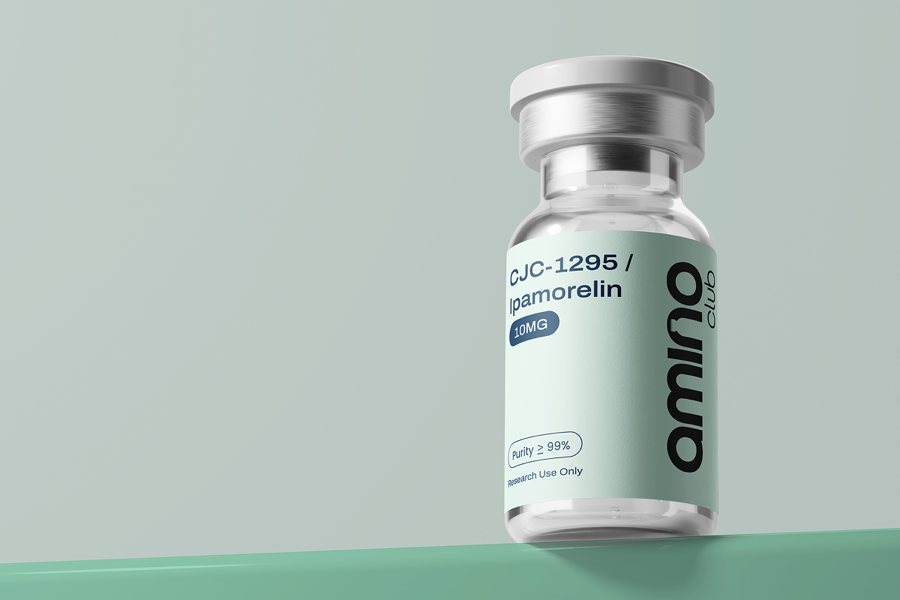
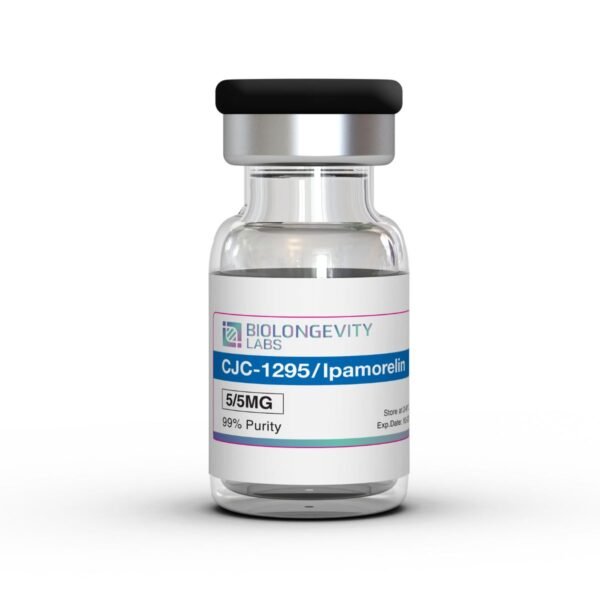
CJC-1295/Ipamorelin at Amino Club and CJC-1295 & Ipamorelin Blend at BioLongevity Labs both sell the combined blend rather than the two peptides separately.
6. TB-500: hype that has outrun the literature
TB-500 is a synthetic fragment of thymosin beta-4, marketed heavily alongside BPC-157 for tissue repair. The evidence gap here is wider than for BPC-157: fewer studies overall, almost all of it in animals, and it's frequently discussed with a confidence the actual literature doesn't support.
It costs more than BPC-157 at both vendors below, a premium the evidence doesn't obviously justify. The BPC-157 vs TB-500 comparison covers this price-to-evidence gap directly.
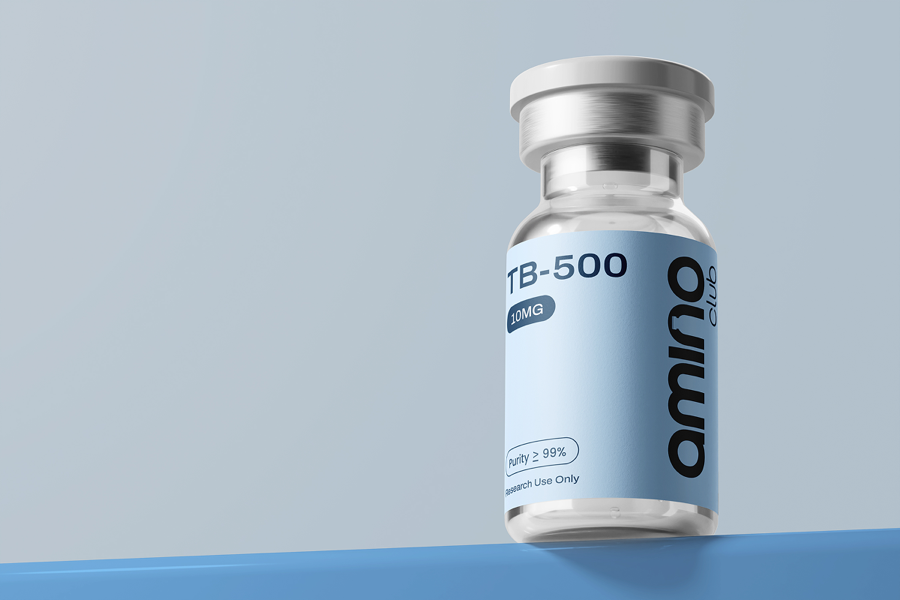
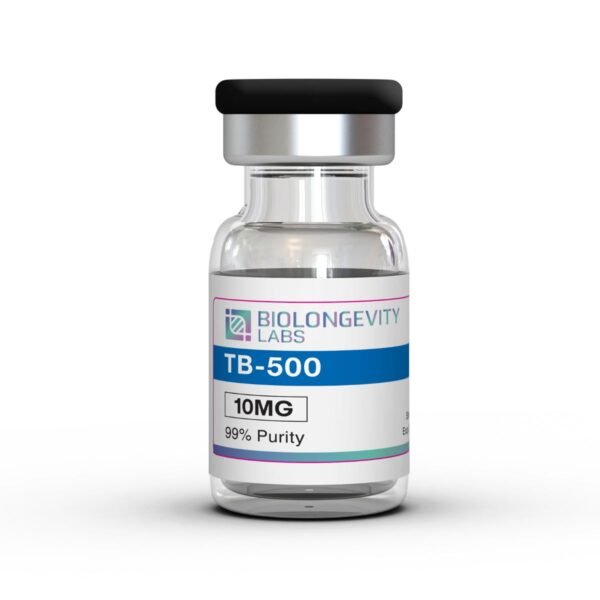
TB-500 at Amino Club and TB-500 at BioLongevity Labs are both single-ingredient vials.
7. Epithalon: longevity research that never left Russia
Epithalon is a synthetic peptide studied primarily by a single Russian research group, with claims centered on telomerase activation and longevity. The underlying studies are small, dated, and have not been meaningfully replicated by independent labs outside that original research program. Big claims. Thin replication.
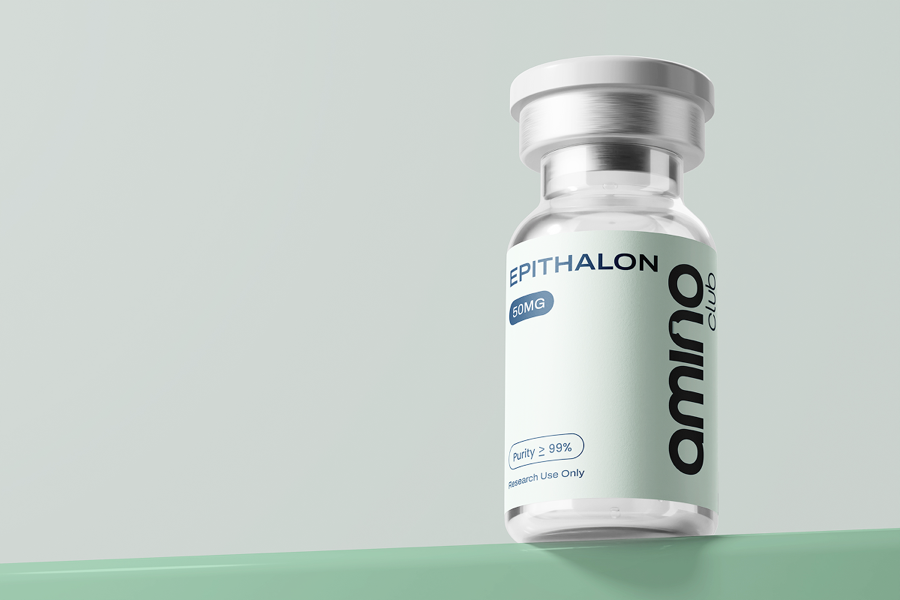
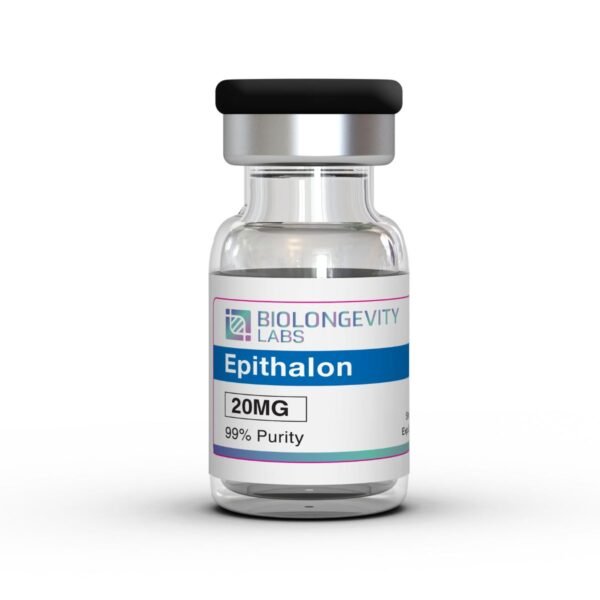
Epithalon at Amino Club and Epithalon at BioLongevity Labs are both single-ingredient vials.
8. MOTS-c: genuinely interesting, genuinely early
MOTS-c is a mitochondrial-derived peptide identified relatively recently, with early research pointing to a role in metabolic regulation and exercise response. It's the newest compound on this list and the one with the least accumulated research overall, almost entirely preclinical and still being mapped at a basic-science level.
That makes it the most speculative entry here, not because the underlying biology is weak, but because there simply hasn't been time for the evidence base to mature the way it has for something like BPC-157.
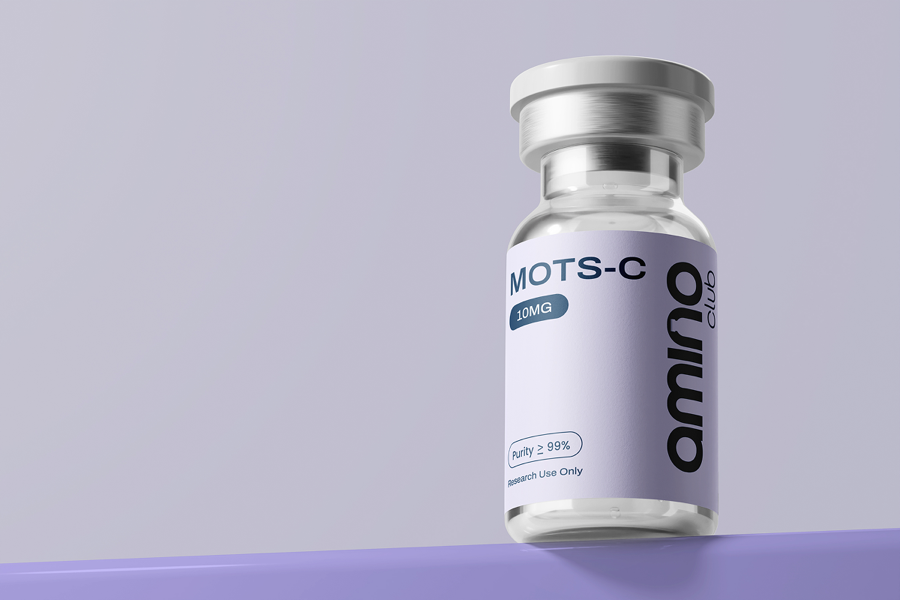
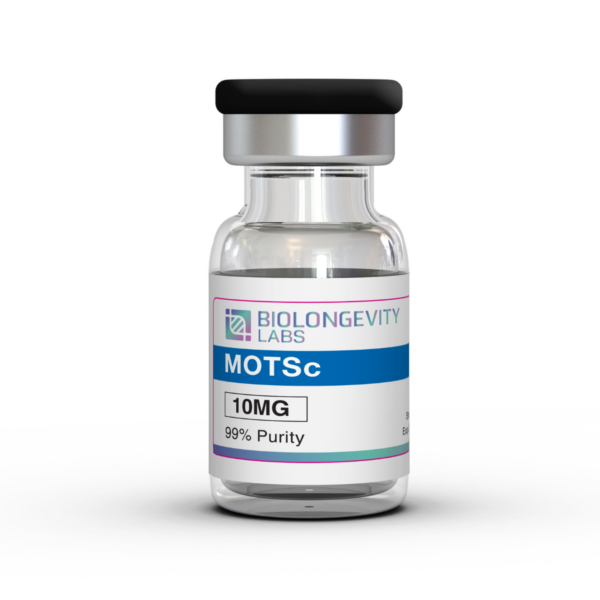
MOTS-C at Amino Club and MOTS-c at BioLongevity Labs are both single-ingredient vials.
What this ranking doesn't mean
Ranking by evidence strength is not the same as ranking by safety, legality, or how a peptide will perform for any individual's specific goal. Every item on this list is a research chemical, not reviewed or approved by the FDA for human use, and none of this is medical advice.
Before researching any of these, read our beginner's guide to research peptides and how to vet a peptide vendor, which cover Certificate of Analysis basics and the documentation gap between a vendor's marketing claims and independently verified purity.