
What the names mean
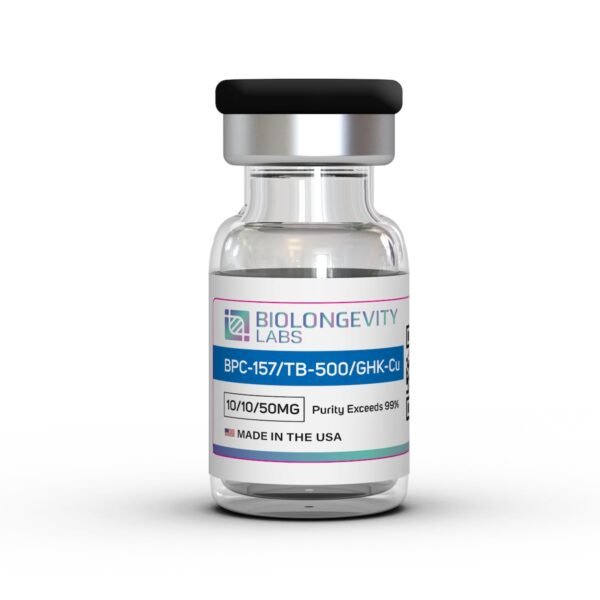
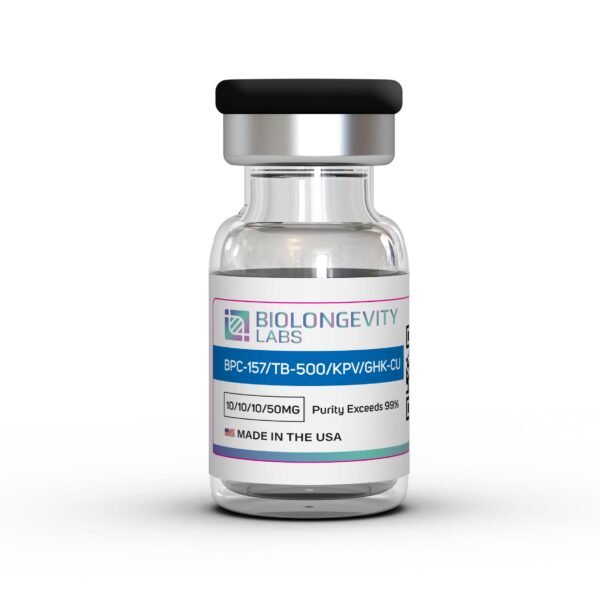
BioLongevity Labs
GLOW Blend (70mg)
These are product names, not molecules, and that trips people up constantly. Searching KLOW looking for pharmacology turns up vendor listings, because that is all there is to find.
GLOW is the older of the two: GHK-Cu, BPC-157 and TB-500 together in one vial. The naming is loosely initial-based, and the skin angle comes from GHK-Cu.
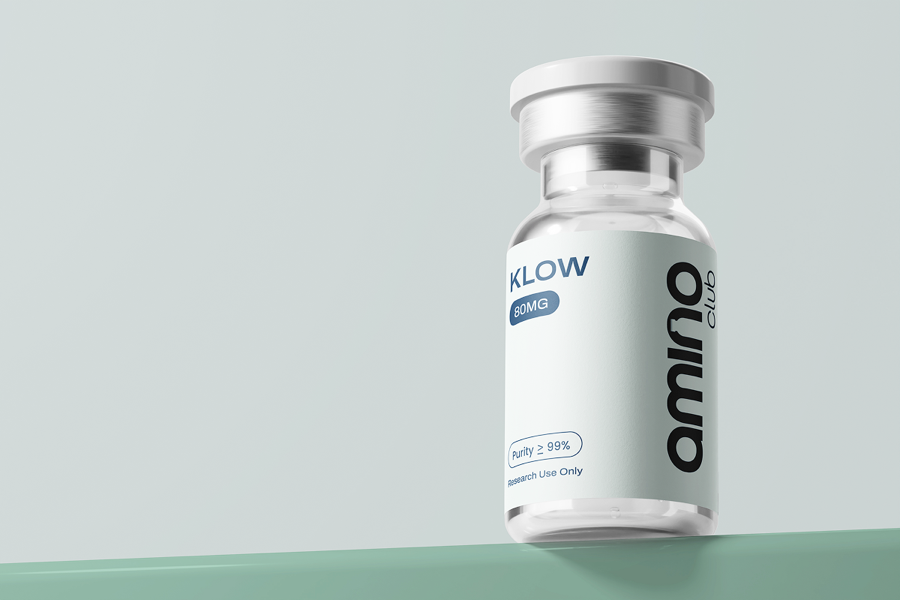
KLOW is GLOW with KPV added. K for KPV, then the same three.
Of the vendors we review, BioLongevity Labs sells both: GLOW at 70mg total and KLOW at 80mg total. Amino Club carries its own versions under the same names.
What is in each
The total milligram figure on the label is the sum of the components, which is the single most misread number in this part of the catalogue.
| Blend | Components | Total | The logic | Buy |
|---|---|---|---|---|
| GLOW | GHK-Cu, BPC-157, TB-500 | 70mg | Skin and tissue repair | Shop |
| KLOW | KPV, GHK-Cu, BPC-157, TB-500 | 80mg | The same, plus KPV for inflammation | Shop |
Blend composition and total vial size
Why 80mg does not mean a big dose
A KLOW vial at 80mg sounds enormous next to a 10mg BPC-157 vial. It is not, and the reason is worth understanding before you compare prices.
The 80mg is shared across four compounds, and the split is weighted towards GHK-Cu, which is dosed in milligrams rather than micrograms. A typical GHK-Cu protocol is 1 to 2mg, while BPC-157 runs at 250 to 500mcg, so GHK-Cu accounts for most of the mass.
That means a KLOW dose delivering a sensible amount of GHK-Cu delivers a correspondingly modest amount of BPC-157, which is the intended design. It also means you cannot push the BPC-157 component up without pushing everything else up with it.
Blend or separate vials
The honest trade-off, in both directions.
- A blend is one reconstitution, one injection, one vial to store. For four compounds, that is a meaningful convenience difference.
- A blend is usually cheaper than buying the four components separately at the same total mass.
- You cannot adjust one component. If you want more BPC-157 and the same GHK-Cu, a blend cannot do it.
- You cannot attribute an effect. If something happens, good or bad, four compounds went in at once and you will not know which.
- Certificates get harder to read. A single certificate covering a four-compound blend tells you less about each component than four separate ones would.
What the evidence says about the combination
Nothing, specifically. There are no human trials on GLOW or KLOW as combinations, because they are vendor products rather than studied interventions.
What exists is the evidence for each component separately, which our GHK-Cu page, BPC-157 dosage guide, TB-500 dosage page and peptides for inflammation cover individually. GHK-Cu has the most genuine published work of the four, and most of it is topical.
Combining four compounds with thin individual evidence does not produce strong combined evidence. That is worth saying because blends are usually marketed as more than the sum of their parts, and there is nothing behind that framing.
If you are buying one
Work out what a dose delivers of each component before deciding the price is good. Our calculator handles the total, though you will need the component split from the vendor to break it down further.
BioLongevity lists GLOW at $259.97 and KLOW at $274.97, with ATLAS15 taking 15% off. Amino Club sells its versions far cheaper, at $89.99 and $99.99, and our comparison covers what the difference does and does not buy.
Everything referenced is sold for research use, and nothing here is medical advice.