Two completely different storage problems
A peptide vial is one thing before you add water and another thing afterwards, and almost all the confusion on this topic comes from treating them as the same.
Lyophilised means freeze-dried to a powder. Water is what lets a peptide degrade, so removing it makes the compound comparatively robust. This is why vials ship without cold packs and arrive fine.
Reconstituted means you have added bacteriostatic water and created a solution. Degradation can now proceed, and the bacteriostatic agent is there to stop microbial growth rather than to preserve the peptide itself.
Before you open it
Sealed powder, in rough order of how much each one matters:
- Freezer is best for long storage. Minus 20C is the figure vendors generally state for extended keeping.
- Fridge is fine for months. For anything you will use within a few months, 2 to 8C is sufficient.
- Room temperature in transit is not a problem. Lyophilised powder tolerates days of shipping warmth, which is why it is shipped that way.
- Keep it dark. Light degrades peptides, and the vial sitting on a windowsill is a more realistic risk than the courier.
- Do not cycle it. Repeatedly moving a vial between freezer and counter is worse than picking one temperature and leaving it.
After you reconstitute
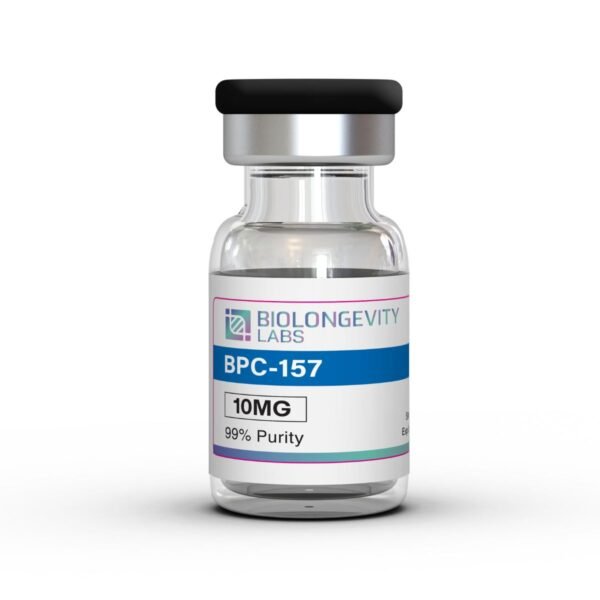
BioLongevity Labs
BPC-157 (10mg)
Once there is water in the vial, the rules tighten.
Refrigerate, do not freeze. Freezing a reconstituted solution risks degradation from ice crystal formation, and it does not extend useful life in the way freezing powder does.
Expect weeks, not months. Vendors commonly state two to four weeks refrigerated for a reconstituted vial. That range is a vendor statement across the category rather than a figure from stability trials on each compound, and we would treat the lower end as the planning number.
Do not shake it. Add the water down the side of the vial and let it dissolve, or swirl gently. Agitation can denature the peptide, which is the single most common handling mistake.
Swab the stopper every time, and draw with a fresh needle. The bacteriostatic agent limits microbial growth, it does not sterilise what you introduce.
What the stated shelf lives rest on
Being precise here matters, because these numbers get repeated as if they were measured for each product.
| State | Condition | Typical stated life | Basis |
|---|---|---|---|
| Lyophilised | Minus 20C, dark | Years | Vendor statement, consistent across the category |
| Lyophilised | 2 to 8C, dark | Months | Vendor statement |
| Lyophilised | Room temperature | Days to weeks | Why shipping without cold packs works |
| Reconstituted | 2 to 8C, dark | 2 to 4 weeks | Vendor statement, not per-compound stability data |
| Reconstituted | Frozen | Not advised | Ice crystal damage outweighs any benefit |
Storage figures and where they come from
On half life, which is a different question
People search storage and half life together, and they are unrelated. Shelf life is how long the compound survives in the vial. Half life is how long it persists in the body after administration.
Half life varies enormously across this category, from minutes for some growth-hormone-releasing agents to considerably longer for compounds with a DAC modification. It affects dosing frequency, not storage. Our dosing hub covers the frequency side.
Practical sequence on arrival
If a vial lands today and you are not using it this week, the simplest correct answer is: leave it sealed, put it in the freezer, and forget about it until you need it.
When you do open one, our reconstitution calculator works out how much water to add for the dose you want, and the reconstitution guide walks through the mechanics. Everything referenced here is sold for research use, and nothing on this page is medical advice.