Splitting the question properly
Search peptides for weight loss and you get two completely different things mixed together: prescription GLP-1 medicines, and research peptides marketed for fat loss. They don't belong in the same list, and lumping them together is how this topic goes wrong.
The GLP-1 drugs have trial evidence of a kind almost nothing in nutrition or supplementation can match. The research peptides have nothing close. Treating them as a spectrum of one category is the single biggest error in how this gets written about.
What actually has the evidence
Semaglutide and tirzepatide are GLP-1 and dual GLP-1/GIP receptor agonists. They are peptides, technically, which is why they end up in these searches. They are also licensed medicines with phase 3 trial programmes behind them, showing weight reductions far beyond anything in the supplement world.
That evidence is real and we are not going to understate it. Our semaglutide vs tirzepatide guide covers the trial data in detail.
They are prescription-only. The correct route is a clinician, and our telehealth rankings cover providers who prescribe them legitimately.
The research-vial versions, and what they actually are
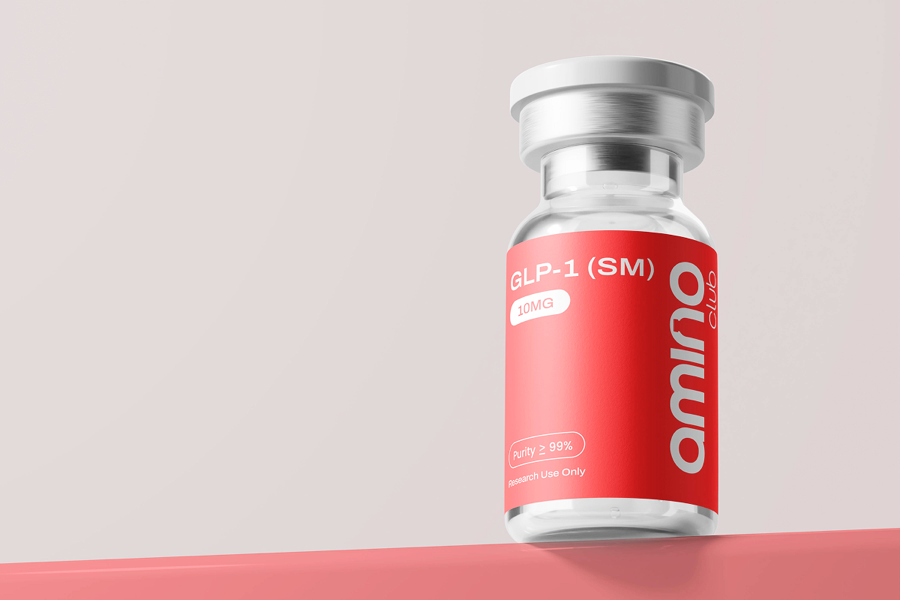
Amino Club
GLP-1 (SM)
Here's where it gets uncomfortable, so we'll be direct.
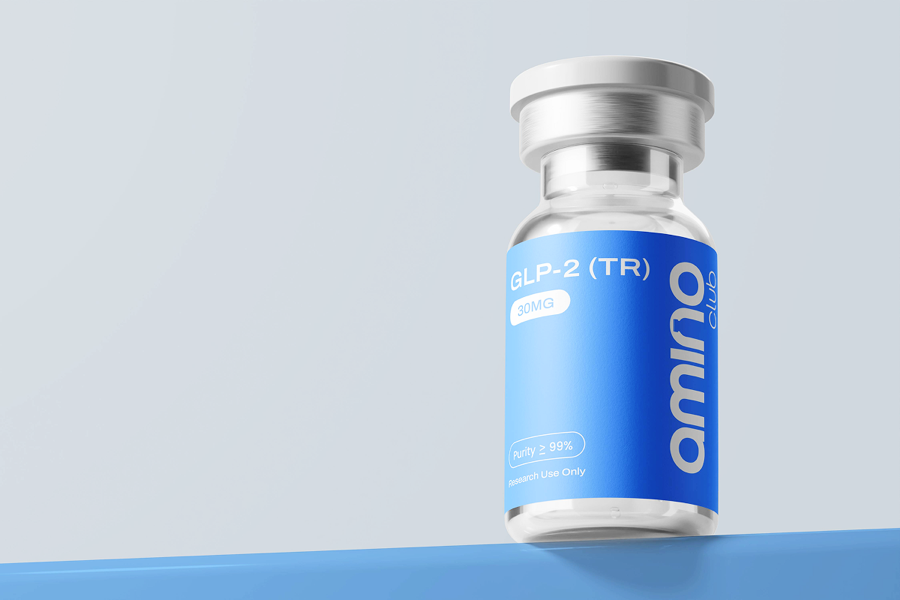
The same molecules are sold as research chemicals. Amino Club lists them under code names: GLP-1 (SM) is semaglutide, GLP-2 (TR) is tirzepatide, GLP-3 (RT) is retatrutide. Our code-name explainer decodes the whole set.
The pharmacology is the same molecule. What differs is everything around it: no prescription, no clinical oversight, no titration schedule from someone who can see your bloodwork, and no regulator checking what is in the vial.
GLP-1 agonists also have a real side-effect profile that is managed clinically through slow titration. Nausea and vomiting are common, and the serious risks are specific enough that patient selection matters. That management is most of what a prescription actually buys.
We're not telling you to do this. We're telling you what's being sold, because people searching this term find these products whether we mention them or not, and a page that pretends otherwise helps nobody.
The other compounds in these searches
These come up constantly in fat-loss contexts and have nothing like the same evidence.
| Compound | The claim | What exists | Buy |
|---|---|---|---|
| 5-Amino-1MQ | NNMT inhibition, fat cell metabolism | Preclinical. No human trials at use doses | |
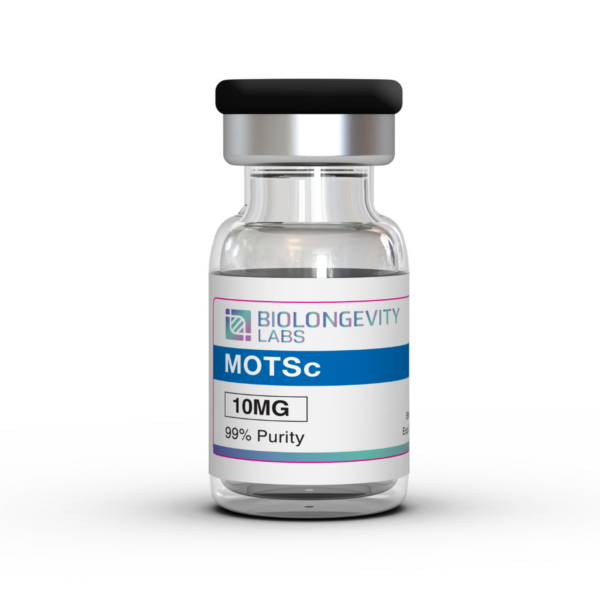
| MOTS-c | Metabolic regulation, exercise mimetic | Human work treats it as a biomarker, not an intervention | Shop |
| CJC-1295 / Ipamorelin | Growth hormone release, body composition | Clinical context for GH agents; not fat-loss trials at these doses | Shop |
| Tesofensine | Appetite suppression | Abandoned in clinical development. Sold on some oral lines | |
| Semaglutide / tirzepatide | GLP-1 receptor agonism | Large phase 3 trials. Prescription medicines | Shop |
Research peptides marketed for fat loss
A flag worth repeating
One of the vendors we review sells an oral line that includes tesofensine, alongside GW-501516 and BAM15. Tesofensine was dropped in clinical development. GW-501516 was abandoned after carcinogenicity findings in animal studies.
We flag that on the BioLongevity Supplements review and we flag it here, because compounds abandoned by their developers turn up in fat-loss stacks more often than anywhere else in this market.
Where this leaves it
If you want the thing with the evidence, it is a GLP-1 medicine and the route is a prescription. That is not us being cautious; it is where the trial data actually is.
If you are looking at research peptides for fat loss specifically, the honest summary is that the evidence does not support the marketing, the one group of molecules that works is the one being sold without the clinical apparatus that makes it safe, and the compounds unique to this corner of the market include some that were abandoned for cause.
Our are peptides safe page covers the broader risk picture. Everything we reference from these vendors is sold for research use, and nothing on this page is medical advice.