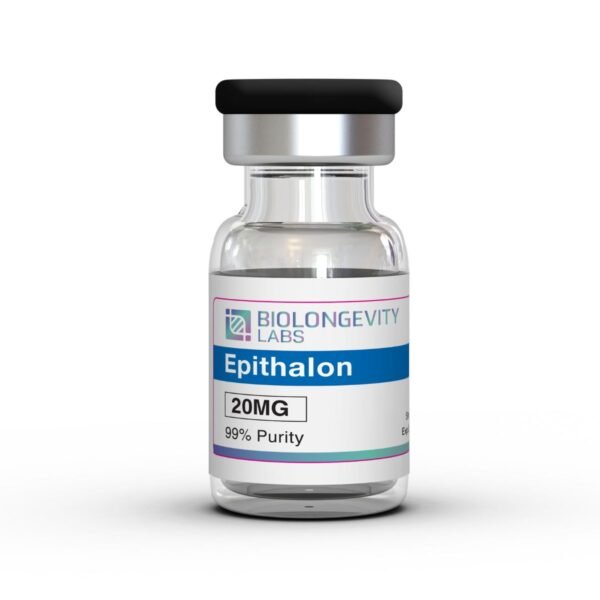

What makes MOTS-c different
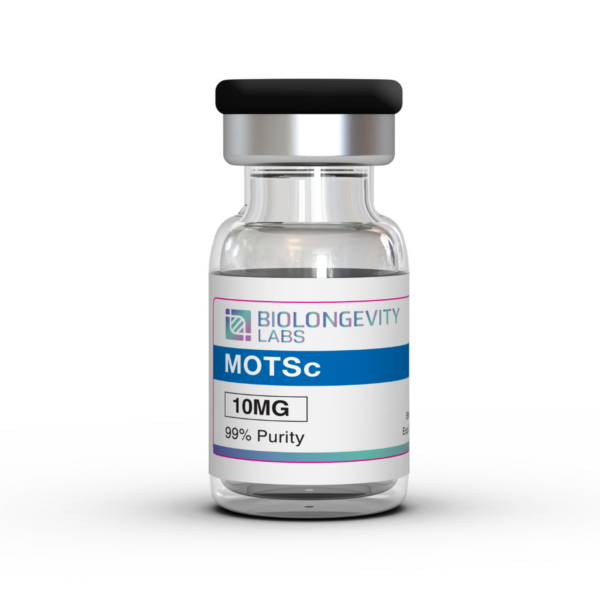
BioLongevity Labs
MOTS-c (10mg)
Worth establishing before the numbers, because it is the one genuinely unusual thing here.
MOTS-c is a mitochondrial-derived peptide: encoded in mitochondrial DNA rather than nuclear DNA. That is rare, and it sits behind the metabolic interest in the compound. The research framing is around exercise mimetic effects, insulin sensitivity and metabolic regulation.
Human research does exist, which is more than can be said for much of this category. The important detail is what that research is: observational work treating circulating MOTS-c as a biomarker associated with metabolic state and exercise, rather than trials administering it at the doses people buy.
Of the vendors we review, BioLongevity Labs stocks it at 10mg.
The protocols people actually use
These figures circulate consistently enough to be worth stating, and they come from community practice and vendor literature rather than from dose-finding studies. We label them that way every time.
The common pattern is 5 to 10mg per week, divided across two or three injections. Some protocols describe daily dosing at correspondingly smaller amounts during a short loading phase, then drop to the weekly pattern.
Cycles are usually described as four to twelve weeks. The rationale offered is tolerance or receptor downregulation, neither of which has been established for this compound.
Conversion chart for a 10mg vial
Pure arithmetic, no recommendation attached. This is what the common figures look like on a syringe once a 10mg vial is reconstituted with 2ml of bacteriostatic water, giving 5mg per ml.
| Dose | Volume | Units | Doses per vial |
|---|---|---|---|
| 2.5mg | 0.5 ml | 50 units | 4 |
| 3.3mg | 0.66 ml | 66 units | 3 |
| 5mg | 1.0 ml | 100 units | 2 |
| 1.5mg | 0.3 ml | 30 units | 6 |
| 1mg | 0.2 ml | 20 units | 10 |
10mg vial in 2ml water, U-100 syringe
Why a 10mg vial goes faster than you expect
This is the practical point most people miss until the vial is empty.
At 5mg a week, a 10mg vial is two weeks. At 10mg a week it is one. Compare that with BPC-157, where a 10mg vial at 250mcg a day runs for forty days, and the cost picture looks very different.
So MOTS-c is among the more expensive compounds per week of use in this catalogue, even though the vial price sits in the normal range. Worth knowing before planning a twelve-week cycle at the upper figures.
What the dosing figures do not rest on
Being precise, since this is where the category usually overstates itself.
There is no published dose-finding trial for MOTS-c in humans. The 5 to 10mg weekly figure is not derived from one. It appears to have emerged from a combination of animal study dosing scaled by body weight, vendor literature, and repetition across community sources until it hardened into a standard.
That is the same provenance as almost every protocol in this field, and it is the reason we publish numbers with their source attached rather than as instructions. Our dosing hub applies the same treatment to the other compounds.
Before you work out a dose
Two things come first. Check the certificate for the batch, since purity and endotoxin matter for anything injected and our vendor vetting guide covers what a certificate should show. And read are peptides safe, which sets out how thin the human evidence is across this whole category.
Our peptide calculator converts whatever figure you settle on into syringe units. It does the arithmetic. It does not tell you the figure is appropriate, and nothing here is medical advice.