
What the phrase actually covers
Peptide therapy describes peptides administered in a clinical setting: a practitioner assesses you, selects a compound, sources it through a compounding pharmacy or a licensed supplier, sets a dose and schedule, and monitors what happens.
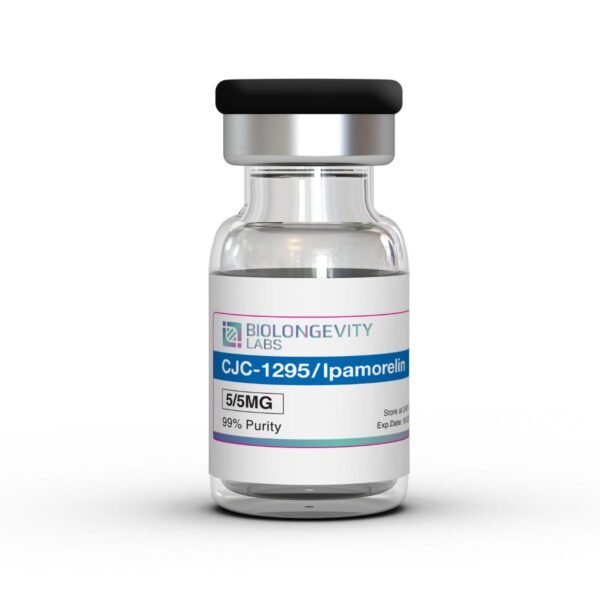
The compounds used overlap substantially with what research-vial vendors sell. Sermorelin, CJC-1295, ipamorelin, BPC-157 and thymosin alpha-1 all appear in both worlds.
So the molecule is frequently the same. What differs is everything built around it, and that is where the cost difference lives.
What you are actually paying for
Worth itemising, because the usual complaint about clinic pricing assumes the product is the cost.
- Assessment, including bloodwork, which can rule out a problem a peptide was never going to fix.
- A pharmacy-grade product, compounded under licence, where identity, purity and sterility are a regulatory requirement rather than a seller's claim.
- A dose set by someone who can see your results, rather than a figure repeated on forums.
- Monitoring, which is what catches a problem early.
- Someone accountable. If something goes wrong, there is a clinician rather than a support inbox.
The divergence in the data
This is the thing we found that nobody seems to be writing about, and it is a genuine signal.
Across the keyword set we pulled, almost every peptide term is rising sharply: `what are peptides` up 233% year on year, `are peptides safe` up 234%, `peptides for inflammation` up 247%, `dsip peptide` up 124%, `vip peptide` up 311%.
`peptide therapy` is down 33%. It is the only declining term in the entire set.
The straightforward reading is that demand is not shrinking, it is relocating. People who would once have gone to a clinic are buying vials and working it out themselves. Every self-directed term climbing while the supervised term falls is exactly what that migration looks like.
| Term | Volume | YoY |
|---|---|---|
| what are peptides | 301,000 | +233% |
| are peptides safe | 27,100 | +234% |
| peptides for inflammation | 5,400 | +247% |
| vip peptide | 9,900 | +311% |
| peptide therapy | 18,100 | -33% |
Year-on-year change, US search volume
What that migration costs people
We are not going to pretend clinic pricing is always justified, or that every provider adds the value it charges for. Plenty do not.
But the specific things dropped when someone moves from a clinic to a vial are the things that manage risk: the bloodwork, the regulated product, the dose that reflects your situation, and the monitoring. Our are peptides safe and peptide side effects pages cover what that leaves you exposed to.
The honest framing is that self-directed buying trades cost for uncertainty. That is a real trade people are entitled to make, and it is worth making knowingly.
Where the two worlds genuinely differ on product
One place the molecule does differ, and it matters.
GLP-1 medicines like semaglutide and tirzepatide are licensed drugs with phase 3 programmes behind them. Clinically, they come with a titration schedule specifically because the side-effect profile needs managing. Sold as research chemicals under code names, they come with none of that. Our peptides for weight loss page covers that gap, and our telehealth rankings cover providers who prescribe them properly.
For most other compounds, the difference really is the apparatus rather than the molecule, and a well-documented vendor closes part of that gap. Our vendor vetting guide covers how to tell which ones do.
Everything referenced from these vendors is sold for research use, and nothing on this page is medical advice.